







Rugby

Share
Published 17:10 21 Jan 2020 GMT
Explore more on these topics:
 Holding the highest amongst us to account is something that UEFA and football in general can learn from. When Financial Fair Play (FFP) was first mooted over a decade ago in 2009, there was a clear need to act against teams operating outside their means across the European game. At the time, a Deloitte report showed that the 20 Premier League teams held accumulated debts of £3.1 billion. These new rules would force teams to balance their books, and would attempt to restrict clubs with wealthy backers from distorting the transfer market. The punishments ranged from warnings to fines all the way to expulsion from flagship European tournaments.
It just hasn’t really happened so far.
Having postponed the implementation of FFP by a couple of years to allow teams make the adjustments needed, a number of teams started to fall foul of the new rules. Manchester City were fined £49 million in 2014, had a transfer cap placed on them and had their European squad allowance reduced for the following season after a one billion pound spending spree under Sheikh Mansour’s ownership. Mansour is the Deputy Prime Minister of the United Arab Emirates, and took over the club back in 2008. The only other state-owned club in the world, PSG, suffered similar punishments in the same year, although they hit subsequent targets set by UEFA and were repaid two thirds of their €60 million fine in the following years. The French club is of course backed by Qatar, who will host the FIFA World Cup in 2022.
So far, so good. Rules broken, punishments given out.
But it didn't seem to deter the two superclubs. Since that fine in 2014, Manchester City have won three Premier League titles, four League Cups and an FA Cup. PSG have notched up five Ligue 1 titles, four French Cups and four League Cups since their first slap on the financial wrist. In that time, the two have spent almost £1.8 billion on transfers between them. Both have been investigated again for breaching Financial Fair Play.
Holding the highest amongst us to account is something that UEFA and football in general can learn from. When Financial Fair Play (FFP) was first mooted over a decade ago in 2009, there was a clear need to act against teams operating outside their means across the European game. At the time, a Deloitte report showed that the 20 Premier League teams held accumulated debts of £3.1 billion. These new rules would force teams to balance their books, and would attempt to restrict clubs with wealthy backers from distorting the transfer market. The punishments ranged from warnings to fines all the way to expulsion from flagship European tournaments.
It just hasn’t really happened so far.
Having postponed the implementation of FFP by a couple of years to allow teams make the adjustments needed, a number of teams started to fall foul of the new rules. Manchester City were fined £49 million in 2014, had a transfer cap placed on them and had their European squad allowance reduced for the following season after a one billion pound spending spree under Sheikh Mansour’s ownership. Mansour is the Deputy Prime Minister of the United Arab Emirates, and took over the club back in 2008. The only other state-owned club in the world, PSG, suffered similar punishments in the same year, although they hit subsequent targets set by UEFA and were repaid two thirds of their €60 million fine in the following years. The French club is of course backed by Qatar, who will host the FIFA World Cup in 2022.
So far, so good. Rules broken, punishments given out.
But it didn't seem to deter the two superclubs. Since that fine in 2014, Manchester City have won three Premier League titles, four League Cups and an FA Cup. PSG have notched up five Ligue 1 titles, four French Cups and four League Cups since their first slap on the financial wrist. In that time, the two have spent almost £1.8 billion on transfers between them. Both have been investigated again for breaching Financial Fair Play.
 In June of 2018, Uefa’s Club Financial Control Body (CFCB) shut down an investigation into PSG relating to alleged breaches of the FFP rules. However, just nine days later it was announced that the decision had been requested by the chairman of the CFCB to be reviewed. It was then decided that PSG in fact did have a case to answer, and the case was reopened. This was thrown out on a technicality after PSG appealed the ruling to the Court of Arbitration for Sport, stating that UEFA had broken their own rules by reopening the case after two months rather than the 10 days stated by their own rules. The ruling by the Court is final, the case cannot be reopened.
Manchester City are a little further behind in the process. They too attempted to have the CAS stop their UEFA investigation, but the Court wouldn’t admit the appeal because the potential punishment for City if they were to be found guilty hasn’t been decided upon yet. The investigation of City’s finances came after Der Spiegel and Football Leaks released a series of articles in November of 2018 accusing the club of deliberately misleading UEFA about their sponsorship deals. It still remains possible that they could be excluded from the Champions League for a period of one year, similar to AC Milan being banned from taking part in the Europa League this season.
Football needs an example to be made. There needs to be genuine ramifications for clubs who clearly circumvent the rules. Until a team who have clearly benefitted from the illegality of their actions is adequately held to account, the other bold kids in the class will continue to not only make faces behind the teacher’s back, but call them names to their face and pull the chair out from them when they go to sit down.
In June of 2018, Uefa’s Club Financial Control Body (CFCB) shut down an investigation into PSG relating to alleged breaches of the FFP rules. However, just nine days later it was announced that the decision had been requested by the chairman of the CFCB to be reviewed. It was then decided that PSG in fact did have a case to answer, and the case was reopened. This was thrown out on a technicality after PSG appealed the ruling to the Court of Arbitration for Sport, stating that UEFA had broken their own rules by reopening the case after two months rather than the 10 days stated by their own rules. The ruling by the Court is final, the case cannot be reopened.
Manchester City are a little further behind in the process. They too attempted to have the CAS stop their UEFA investigation, but the Court wouldn’t admit the appeal because the potential punishment for City if they were to be found guilty hasn’t been decided upon yet. The investigation of City’s finances came after Der Spiegel and Football Leaks released a series of articles in November of 2018 accusing the club of deliberately misleading UEFA about their sponsorship deals. It still remains possible that they could be excluded from the Champions League for a period of one year, similar to AC Milan being banned from taking part in the Europa League this season.
Football needs an example to be made. There needs to be genuine ramifications for clubs who clearly circumvent the rules. Until a team who have clearly benefitted from the illegality of their actions is adequately held to account, the other bold kids in the class will continue to not only make faces behind the teacher’s back, but call them names to their face and pull the chair out from them when they go to sit down.



Rugby
Rugby
Rugby
Rugby
LIVE: Champions League GW3 as Man United, Arsenal, and Liverpool all face huge European tests
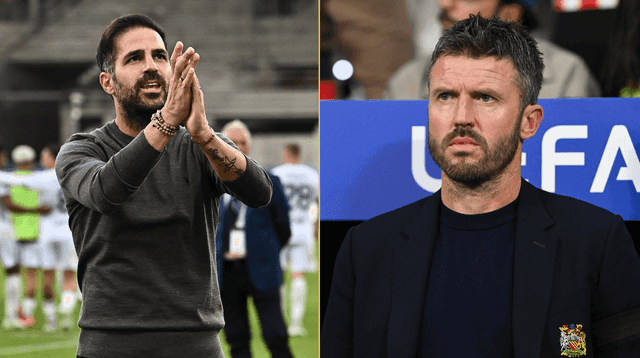
Every viral moment from Arsenal vs Bayern, Liverpool vs Villarreal, Man Utd vs Como and more! Just days on from the end of the last round of Premier League fixtures, the UEFA Champions League is back for another round of League Phase match-ups. This round could be set to be the most explosive so far, […]
Rugby
1 day ago
Four key places in Ireland’s November squad that are up for grabs
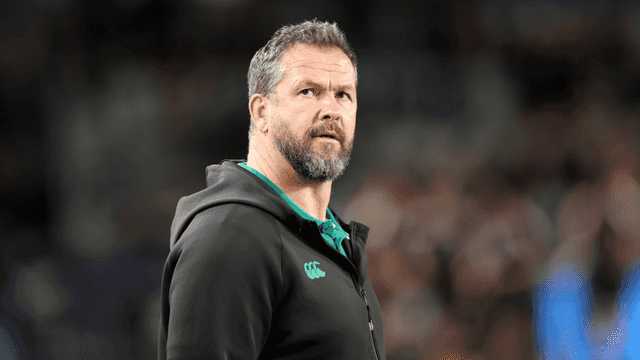
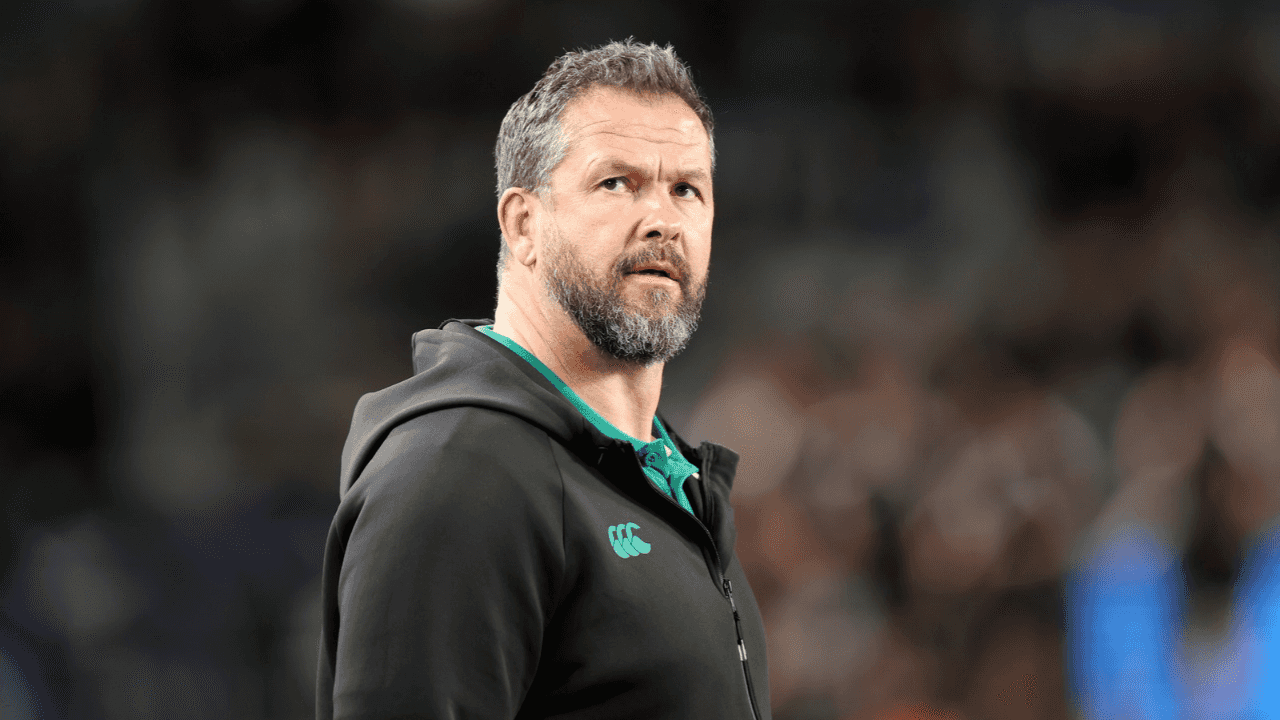
Decisions, decisions! With head coach Andy Farrell due to name his Nations Championship squad tomorrow, we’ve taken a look at four key places that are up for grabs, and could spring a few surprises. Loosehead prop A mix of injuries and lack of experienced depth may force Farrell into opting for a relative newcomer, or […]
Rugby
2 days ago

Rugby
Rovers boss throws dig at Bohs and blames them for post-game melee
Rugby