

Share
4th February 2016
11:13am GMT

“The simplest exercises are often the best to build strength. I go to the gym two or three times a week and spend most of that time doing dead-lifts, pull-ups and squats. Squats and dead-lifts are especially good as we need as much power in our legs as we can get."
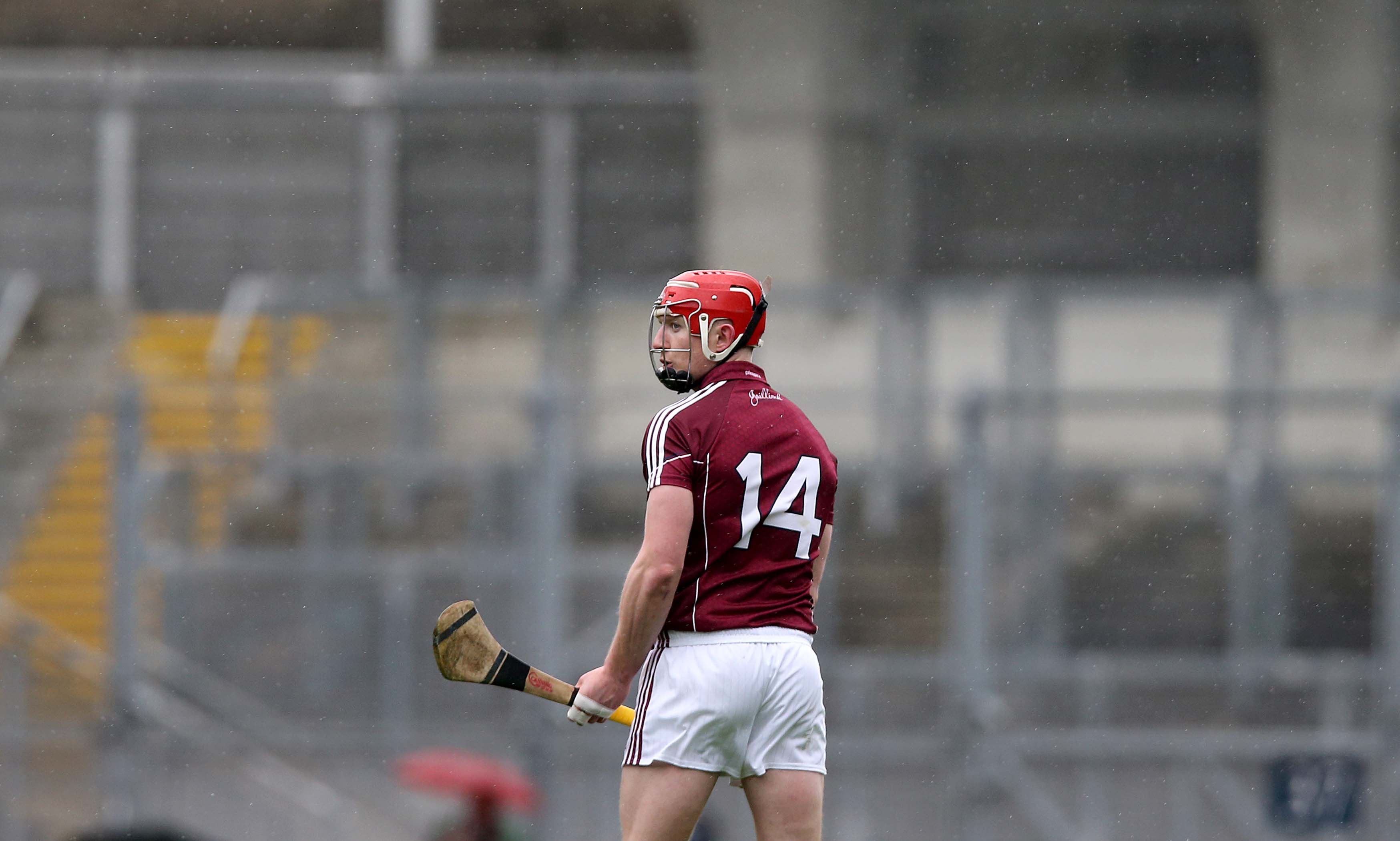 2 - Flexibility
20 years ago, there probably wasn't a hurler in the country who had set foot in a yoga studio. Nowadays, with the realisation that flexibility is just as important as brute strength, all athletes realise that yoga is beneficial in training.
2 - Flexibility
20 years ago, there probably wasn't a hurler in the country who had set foot in a yoga studio. Nowadays, with the realisation that flexibility is just as important as brute strength, all athletes realise that yoga is beneficial in training.
“Hurling is all about speed and explosiveness off the blocks so there is a high risk of pulling your hamstring or your calf or something like that. You really need your muscles to be loose as they can be. "We do a lot of glute and hamstring work to prevent injury. About 90% of us do yoga to improve our flexibility and keep our muscles loose. Some of the other lads do Pilates. "The biggest craze at the moment is the foam roller. It’s a great way to loosen out those muscles after a tough session. It is also good to get regular massages from a physio as they really help to get into the deeper tissue. "I think a good mix of yoga, the foam roller and massage is the best formula for avoiding injury."
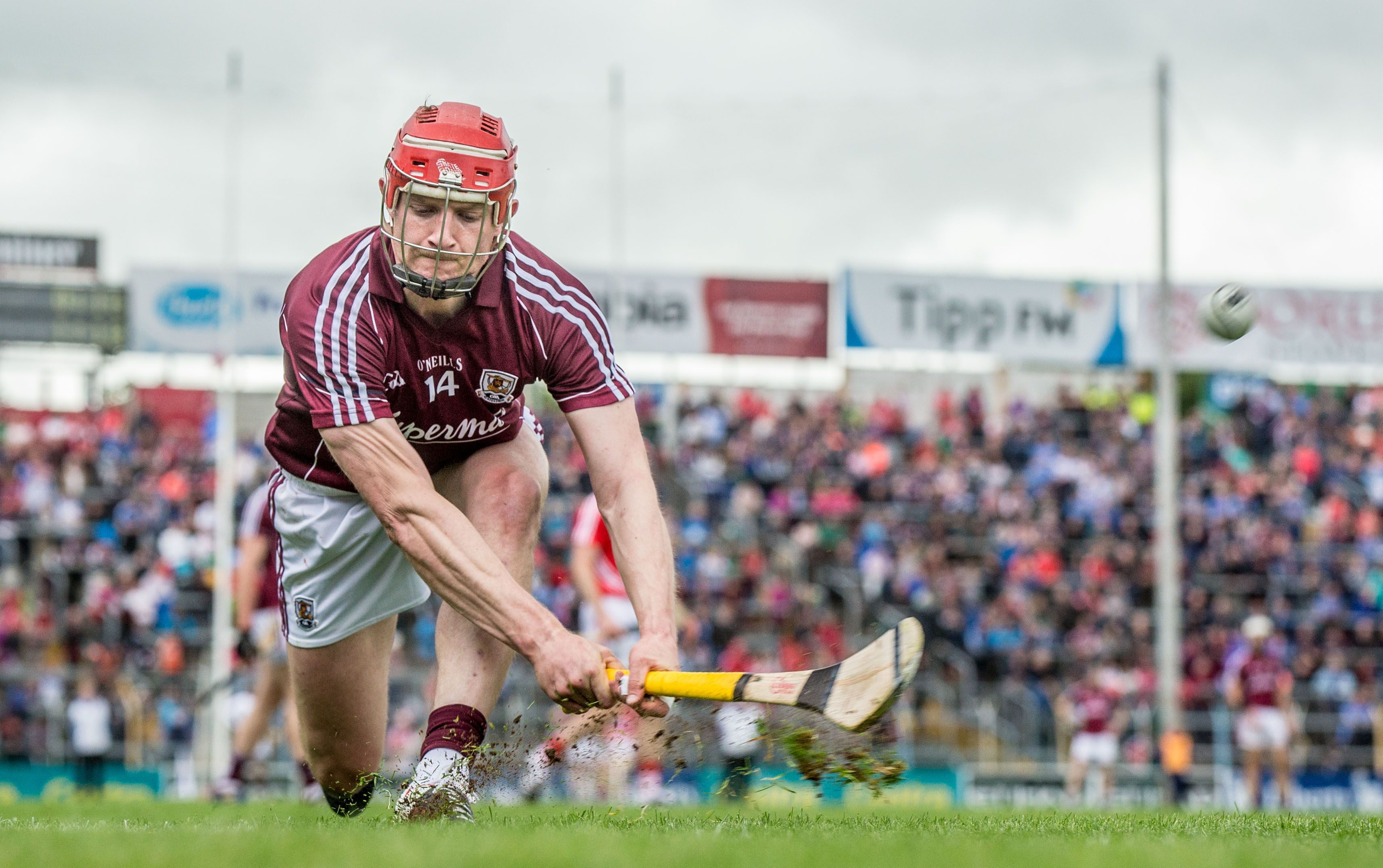 3 - Speed
Depending on what you're after with your fitness goals, speed training may or may not be what you're looking for. Obviously, less intense jogs will be more beneficial in improving your cardio while intense sprints will up your explosiveness.
3 - Speed
Depending on what you're after with your fitness goals, speed training may or may not be what you're looking for. Obviously, less intense jogs will be more beneficial in improving your cardio while intense sprints will up your explosiveness.
“In winter we would do longer interval sessions so we would work on distances of 600m, 900m and even 1,200 metres. This gives us a good base so we can then transfer it into shorter speed work as the Championship approaches without getting injured. "From spring time on we start doing a lot of short intervals – we would be working across distances of 50 and 100 metres. "As summer approaches we focus a lot of footwork and explosive sprinting over 10, 20, 30 and 40 metres. We use ladders and cones to improve our footwork. It is really about focusing on those first four or five steps of the sprint. During a game the most we will run is about 30-40 yards at any one time and we are starting and stopping all of the time so we need to be prepared for that.”
 4 - Recovery
Professionals realise that recovery is vital and a lack of it can also make the training session that preceded it less useful than it could have been. Amateurs, and beginners, are often unaware of the importance of recovery which can include everything from ice baths to massages.
4 - Recovery
Professionals realise that recovery is vital and a lack of it can also make the training session that preceded it less useful than it could have been. Amateurs, and beginners, are often unaware of the importance of recovery which can include everything from ice baths to massages.
“We train more at this time of the year than we do in the summer, it is definitely more intense – there is not much time for recovery so we have to use anytime we can get to try and recover. We always try and go to the pool after a gym session to stretch out. "Cryotherapy is also great – I go into the cold chamber or into the sea to speed up my recovery. "I live beside the sea in Oranmore so I try to get into the sea for about 10-15 minutes after training to help soothe my muscles – although that’s easier to do in summer than winter!”
 5 - Diet
Every year, there is a new "revolutionary diet that will have you in the best shape of your life by summertime". We've seen the Atkins diet, the Paleo diet and the new Sirtfood diet over the years but Canning believes that there is no absolutely perfect diet and that eating healthily is the best idea.
5 - Diet
Every year, there is a new "revolutionary diet that will have you in the best shape of your life by summertime". We've seen the Atkins diet, the Paleo diet and the new Sirtfood diet over the years but Canning believes that there is no absolutely perfect diet and that eating healthily is the best idea.
“Personally I don’t eat too many carbs – I try to stick to either brown rice or sweet potato and stay clear of pasta. “Other lads on the team can eat lots of carbs without putting on weight but I have to stick to a high protein, low-carb diet throughout the year. "After a hard session I would typically eat some chicken with sweet potato and broccoli – I add in a few spices to make it a bit more interesting from time to time though!!”
Explore more on these topics:


