

Rugby

Share
Published 14:50 16 Nov 2015 GMT
Updated 15:45 16 Nov 2015 GMT
Explore more on these topics:
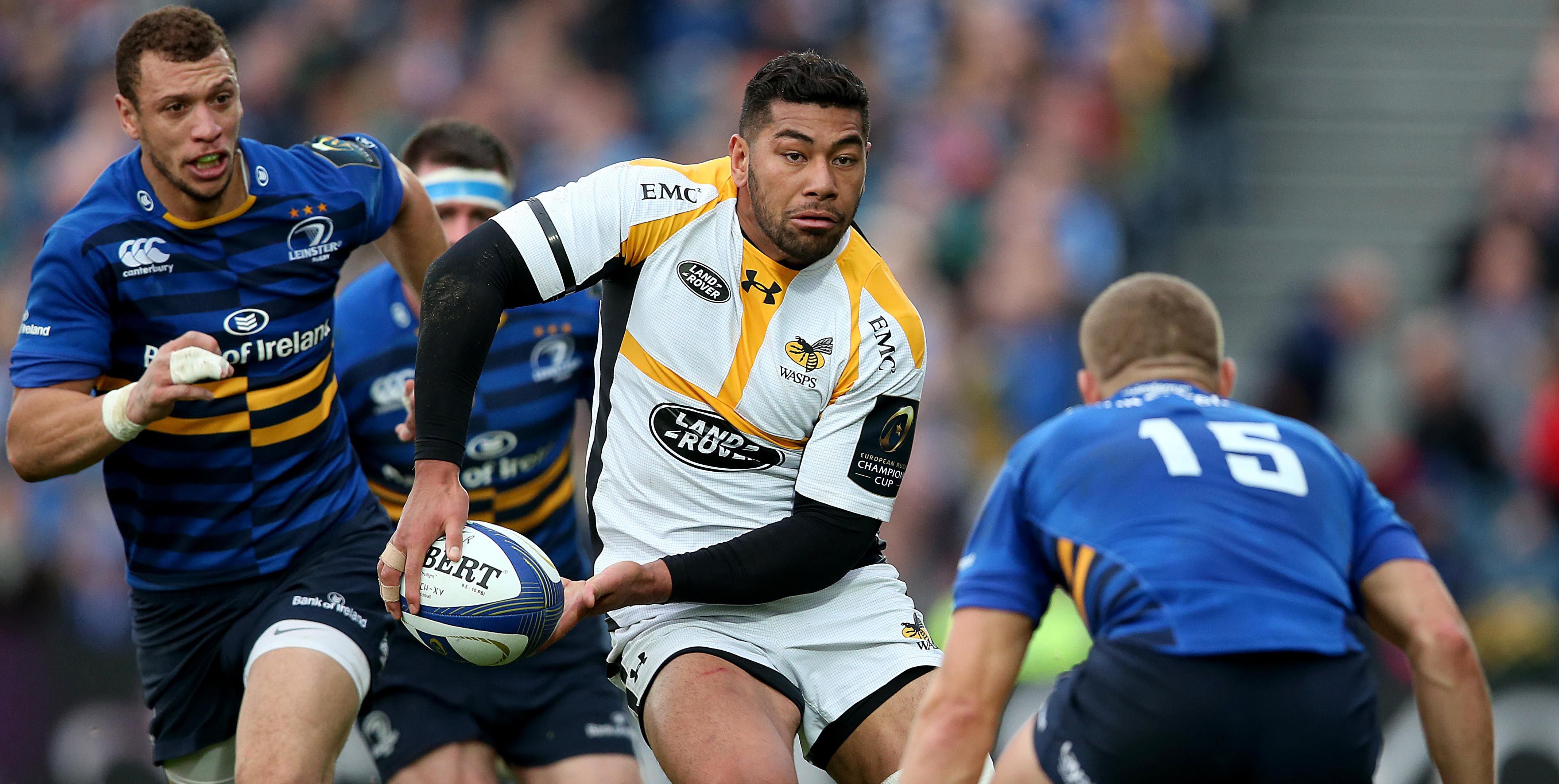 Four years ago Ulster welcomed World Cup winner John Afoa into their squad, this season they have to watch while their 2015 All Black, Charles Piutau, togs out for Wasps after being omitted from the eventual champions World Cup squad.
When Irish provinces were winning five of seven Heineken Cups between 2006 and 2012, nobody was really naive enough to think it would last forever, but has Irish rugby lost its lustre entirely?
With all four provinces sitting in the top five of the PRO12 it may seem extreme, but then, how many of Europe's three consequential rugby leagues are being led by a Challenge Cup team?
That Connacht are leading the way could be a sign that the Celtic League is sliding towards mediocrity. The problems of the Welsh Regions are well documented, Italy's pair seem to require constant cajoling to stay on board and rugby in Scotland is just about supporting two professional teams.
The PRO12 is operating on a different level, financially, to the Premiership and the Top 14, so it only makes sense that, sooner or later, that would be reflected on the field of play.
Since Thorn's Leinster beat Ulster in the 2012 decider at Twickenham, no PRO12 team has reached the European Cup final. Toulon have won all three, beating Clermont (twice) and Saracens.
Four years ago Ulster welcomed World Cup winner John Afoa into their squad, this season they have to watch while their 2015 All Black, Charles Piutau, togs out for Wasps after being omitted from the eventual champions World Cup squad.
When Irish provinces were winning five of seven Heineken Cups between 2006 and 2012, nobody was really naive enough to think it would last forever, but has Irish rugby lost its lustre entirely?
With all four provinces sitting in the top five of the PRO12 it may seem extreme, but then, how many of Europe's three consequential rugby leagues are being led by a Challenge Cup team?
That Connacht are leading the way could be a sign that the Celtic League is sliding towards mediocrity. The problems of the Welsh Regions are well documented, Italy's pair seem to require constant cajoling to stay on board and rugby in Scotland is just about supporting two professional teams.
The PRO12 is operating on a different level, financially, to the Premiership and the Top 14, so it only makes sense that, sooner or later, that would be reflected on the field of play.
Since Thorn's Leinster beat Ulster in the 2012 decider at Twickenham, no PRO12 team has reached the European Cup final. Toulon have won all three, beating Clermont (twice) and Saracens.
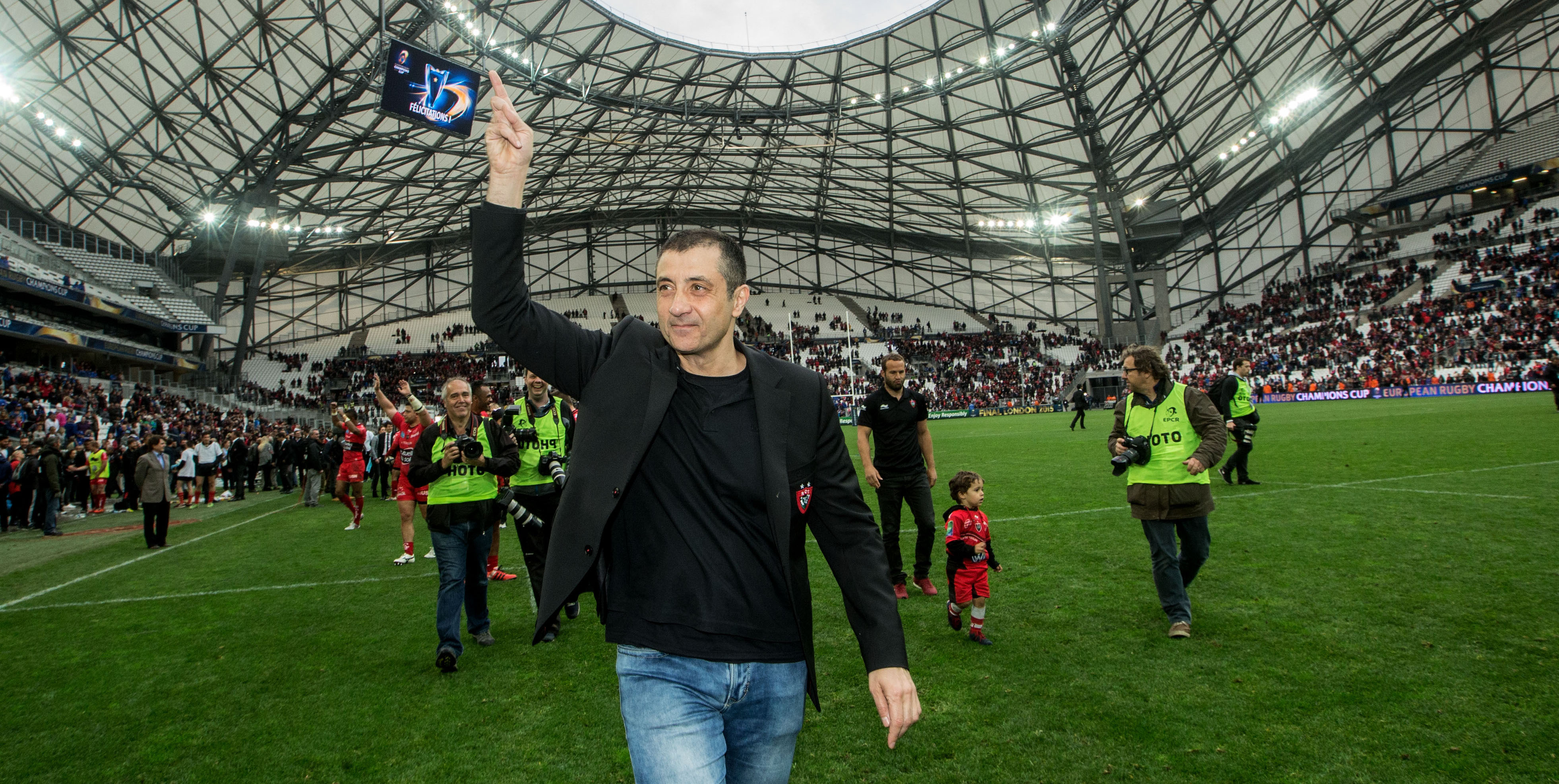 Toulon's owner, Mourad Boudjellal, has built the French club from second tier also-rans to three-in-a-row European champions thanks to relatively deep pockets and an admirable level of pugnacity around the negotiating table.
The latter means the former is no longer so important, with Top 14 clubs now into the second year of a five-season deal that sees them share more than €70million per annum from Canal+. Meanwhile, in England, the Premiership clubs are divvying up somewhere in the region of €50m per season.
With four small TV markets pitching in, the PRO12 pulls in less than €15m.
All the centralised contracts in the world cannot bridge this gap for the IRFU, and the provinces are unable to compete for the top echelon of players - apart from Denis O'Brien-funding the return of prodigal son Sexton.
Dan Carter, Ma'a Nonu, Conrad Smith and Quade Cooper have all remained on in Europe for a post World Cup payday, but all are playing in the Top 14. It would appear the days of a Doug Howlett signing for Munster or a Rocky Elsom choosing Leinster are gone.
Toulon's owner, Mourad Boudjellal, has built the French club from second tier also-rans to three-in-a-row European champions thanks to relatively deep pockets and an admirable level of pugnacity around the negotiating table.
The latter means the former is no longer so important, with Top 14 clubs now into the second year of a five-season deal that sees them share more than €70million per annum from Canal+. Meanwhile, in England, the Premiership clubs are divvying up somewhere in the region of €50m per season.
With four small TV markets pitching in, the PRO12 pulls in less than €15m.
All the centralised contracts in the world cannot bridge this gap for the IRFU, and the provinces are unable to compete for the top echelon of players - apart from Denis O'Brien-funding the return of prodigal son Sexton.
Dan Carter, Ma'a Nonu, Conrad Smith and Quade Cooper have all remained on in Europe for a post World Cup payday, but all are playing in the Top 14. It would appear the days of a Doug Howlett signing for Munster or a Rocky Elsom choosing Leinster are gone.
 In fact, as Sexton and Hanrahan have shown in the last few years, Irish players are valuable commodities and their habit of talking up their love of French rugby is moving from a transparent negotiating tactic to a level-headed business decision. Simon Zebo and Robbie Henshaw will be the subject of interest from French clubs and it is no longer a given they will use them as Gallic stalking horses.
If you cannot afford the top playing talent than the only way to bridge the gap is via world-class coaching. Anthony Foley and Leo Cullen may prove themselves to be world class coaches at some point in the future but right now they are being asked to learn on the job. And both have very large jobs on their hands.
Before Joe Schmidt was hired by Leinster he was grilled by Brian O'Driscoll, Sexton and Cullen to be sure he was the right man to replace Michael Cheika. He proved over the next three seasons that he was the perfect man to replace Cheika.
When Cullen, with a single season of coaching behind him, was asked to replace Matt O'Connor it seemed a less strategic appointment. Similarly Foley was promoted at Munster maybe a year or two earlier than planned due to Rob Penney's abrupt departure to Japan.
In fact, as Sexton and Hanrahan have shown in the last few years, Irish players are valuable commodities and their habit of talking up their love of French rugby is moving from a transparent negotiating tactic to a level-headed business decision. Simon Zebo and Robbie Henshaw will be the subject of interest from French clubs and it is no longer a given they will use them as Gallic stalking horses.
If you cannot afford the top playing talent than the only way to bridge the gap is via world-class coaching. Anthony Foley and Leo Cullen may prove themselves to be world class coaches at some point in the future but right now they are being asked to learn on the job. And both have very large jobs on their hands.
Before Joe Schmidt was hired by Leinster he was grilled by Brian O'Driscoll, Sexton and Cullen to be sure he was the right man to replace Michael Cheika. He proved over the next three seasons that he was the perfect man to replace Cheika.
When Cullen, with a single season of coaching behind him, was asked to replace Matt O'Connor it seemed a less strategic appointment. Similarly Foley was promoted at Munster maybe a year or two earlier than planned due to Rob Penney's abrupt departure to Japan.
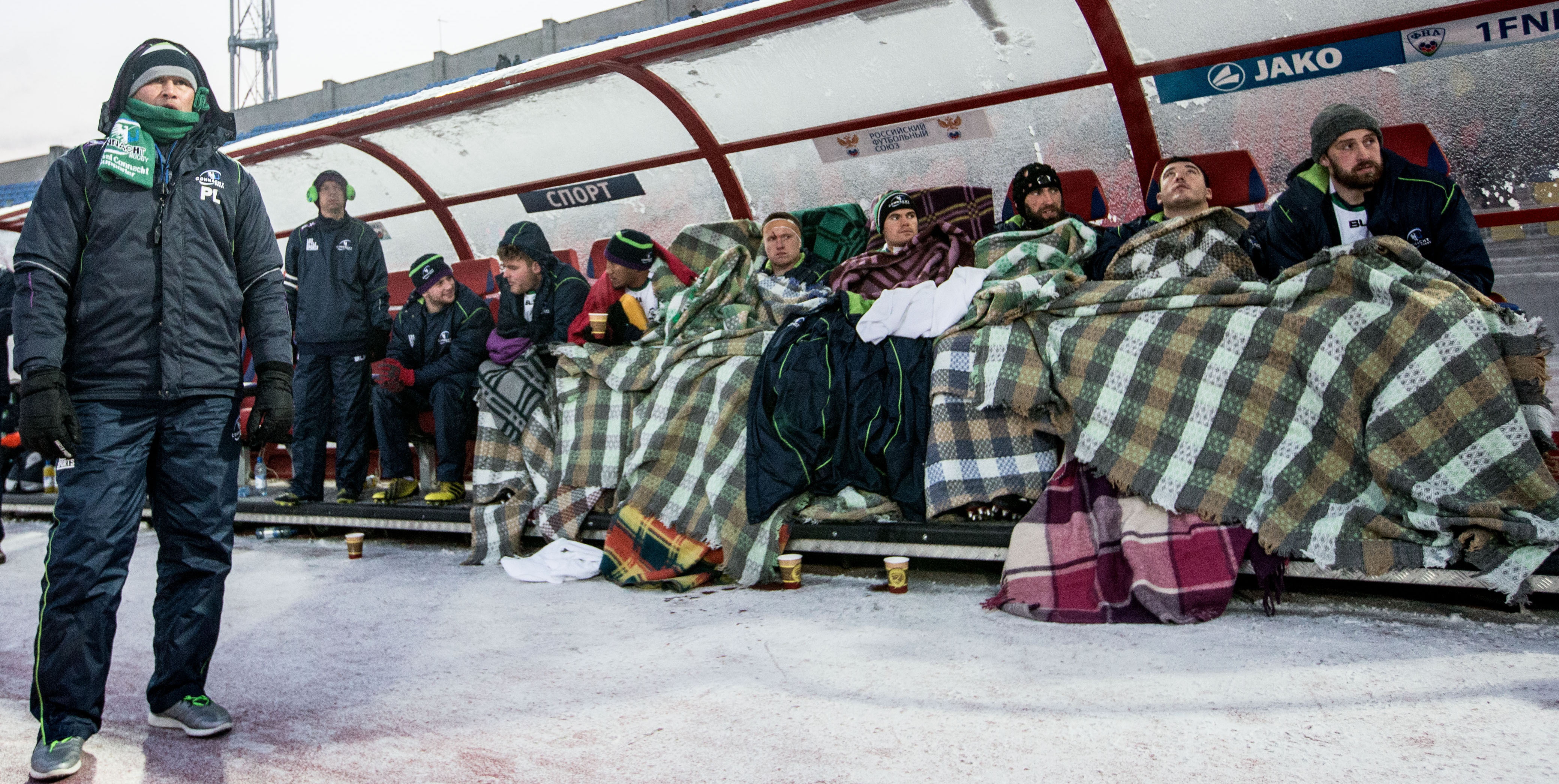 Pat Lam at Connacht is the exception that proves the rule. An experienced coach getting the best out of a small pool of players, many of whom have been overlooked by Munster and Leinster.
Les Kiss has proved himself a very able deputy to Declan Kidney and Schmidt at Ireland, but if handing him the director of rugby role at Ulster is a gamble, it looks a very safe bet when compared to the appointments of Cullen and Foley.
The success of the provinces was based on exceptional domestic talent, harnessed by excellent coaches and garnished with a little foreign stardust.
The first of those elements might still be there, but without the other two success seems impossible. The massive growth in the Irish rugby industry was built on success, without success people start to vote with their feet.
Pat Lam at Connacht is the exception that proves the rule. An experienced coach getting the best out of a small pool of players, many of whom have been overlooked by Munster and Leinster.
Les Kiss has proved himself a very able deputy to Declan Kidney and Schmidt at Ireland, but if handing him the director of rugby role at Ulster is a gamble, it looks a very safe bet when compared to the appointments of Cullen and Foley.
The success of the provinces was based on exceptional domestic talent, harnessed by excellent coaches and garnished with a little foreign stardust.
The first of those elements might still be there, but without the other two success seems impossible. The massive growth in the Irish rugby industry was built on success, without success people start to vote with their feet.
Rugby
Rugby
Rugby
Rugby
Two uncapped players as Andy Farrell names intriguing Ireland squad
Exciting times! Head coach Andy Farrell has named his Ireland squad for the upcoming Nations Championship games next month. Ireland begin their campaign against Argentina on November 6 (kick-off: 8.10pm), before facing Fiji on November 14 (kick-off: 8.10pm), and South Africa on November 21 (kick-off: 4.40pm). Dan Sheehan captains the squad, while there are two […]
Rugby
2 days ago
Four key places in Ireland’s November squad that are up for grabs
Decisions, decisions! With head coach Andy Farrell due to name his Nations Championship squad tomorrow, we’ve taken a look at four key places that are up for grabs, and could spring a few surprises. Loosehead prop A mix of injuries and lack of experienced depth may force Farrell into opting for a relative newcomer, or […]
Rugby
3 days ago
Munster fans exasperated reactions after CEO steps down
Rugby