








GAA

Share
Published 14:28 8 Aug 2022 BST
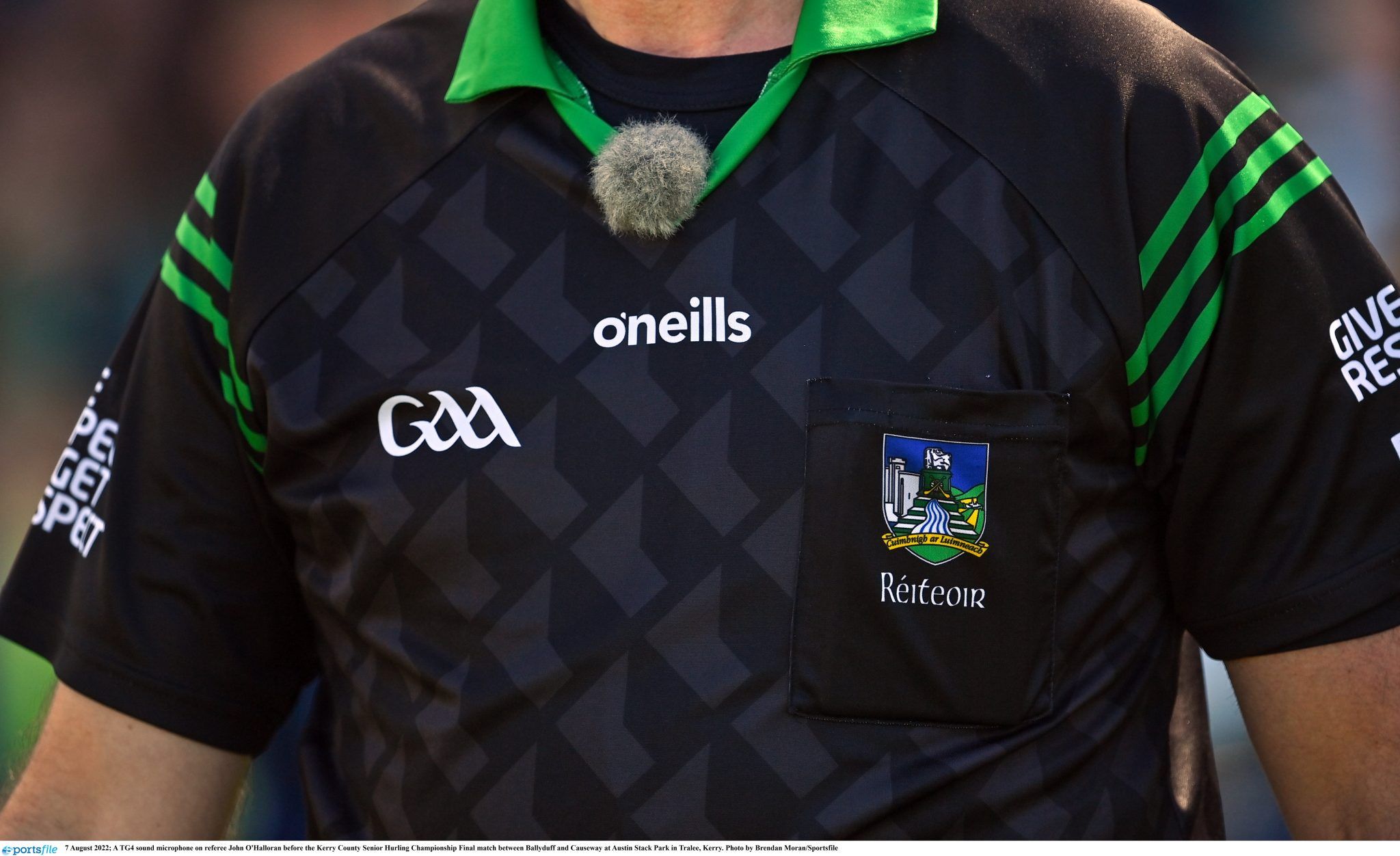 It is used in rugby and very successfully, as it dilutes any confusion that people may have, and at the very least allows the official to explain himself.
Just before half time, O'Halloran blew Ballyduff full forward Padraig Boyle for a foul. As viewers were allowed to listen to the conversation between the two, they could hear Boyle (unsuccessfully) try to talk O'Halloran out of giving him a yellow card.
At the very least it's another point of entertainment and keeps you engaged, whereas before, you may have been inclined to start flicking through your phone when the whistle is blown, knowing that play won't continue for a couple of minutes.
It is used in rugby and very successfully, as it dilutes any confusion that people may have, and at the very least allows the official to explain himself.
Just before half time, O'Halloran blew Ballyduff full forward Padraig Boyle for a foul. As viewers were allowed to listen to the conversation between the two, they could hear Boyle (unsuccessfully) try to talk O'Halloran out of giving him a yellow card.
At the very least it's another point of entertainment and keeps you engaged, whereas before, you may have been inclined to start flicking through your phone when the whistle is blown, knowing that play won't continue for a couple of minutes.
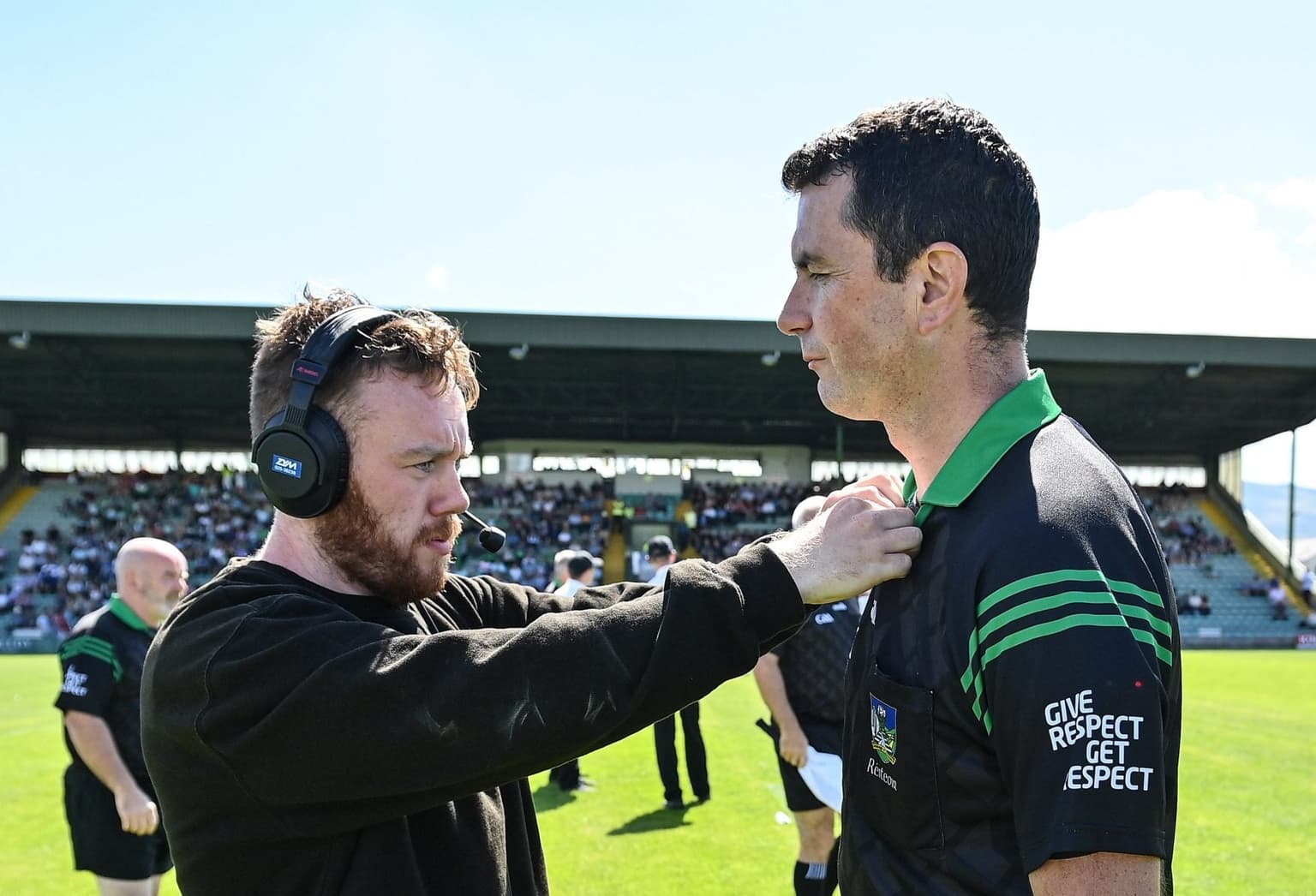
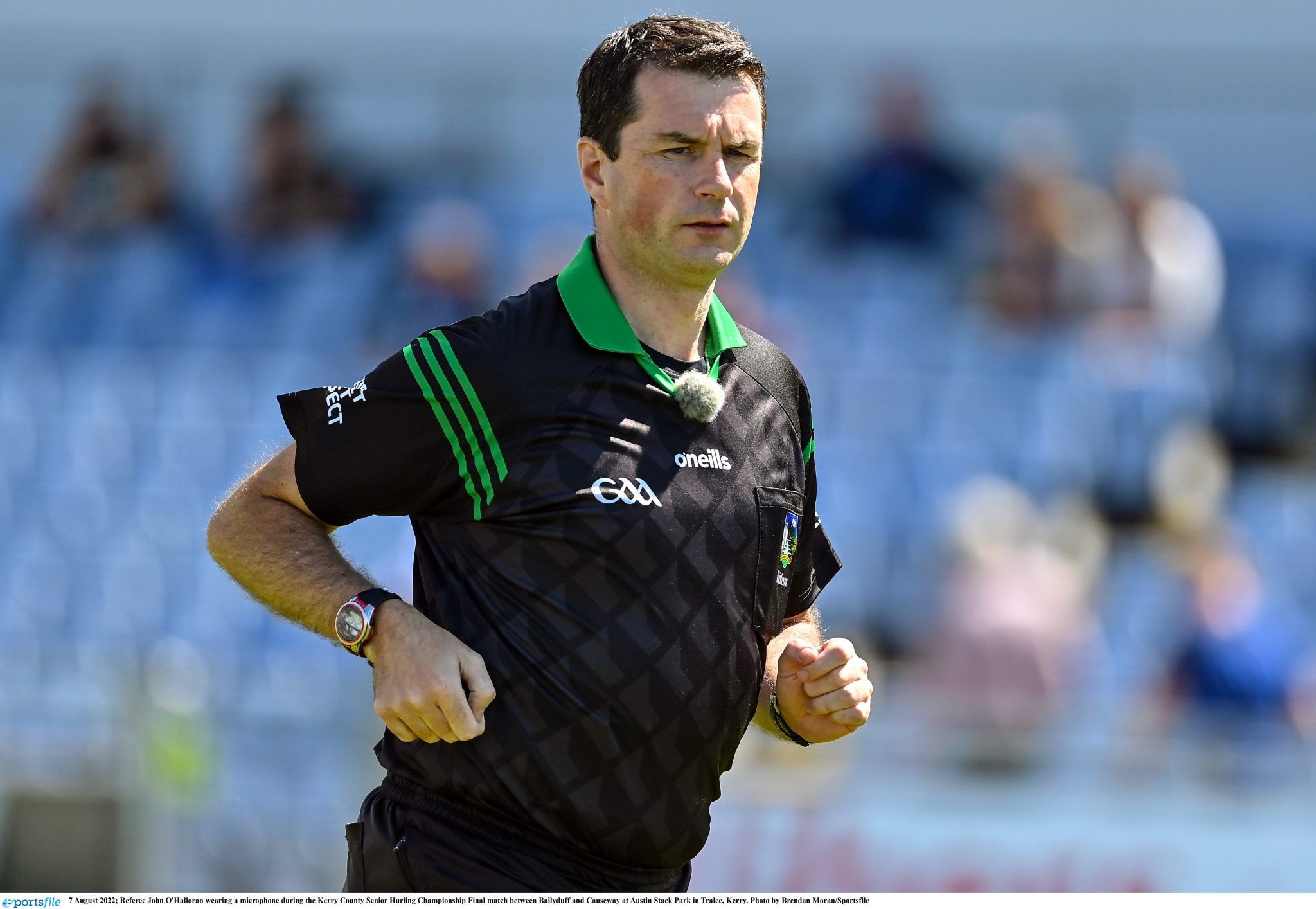 For those thinking that the referees themselves might be against this idea, potentially adding another layer of pressure on an already pressure-filled job, it was actually David Gough who came out in favour of it earlier this year.
"The one advancement I would like to see to help me as a referee is my microphone on matchday being released to TV studios, to the pundits, or whoever can have access to it," said the inter-county ref.
For those thinking that the referees themselves might be against this idea, potentially adding another layer of pressure on an already pressure-filled job, it was actually David Gough who came out in favour of it earlier this year.
"The one advancement I would like to see to help me as a referee is my microphone on matchday being released to TV studios, to the pundits, or whoever can have access to it," said the inter-county ref.
"So they can understand the decisions I'm making. Quite often, the decisions, 99 per cent of the time are correct in relation to the rule but they are seeing or quoting something completely different on the television."If my microphone was released to those people, well then they might have a better understanding of why a free was given or why I thought a foul occurred.""That's the huge frustration for me. I don't watch matches back with commentary because I know what I've done on the day, so I watch it back with my mindset.

GAA
GAA
GAA
GAA
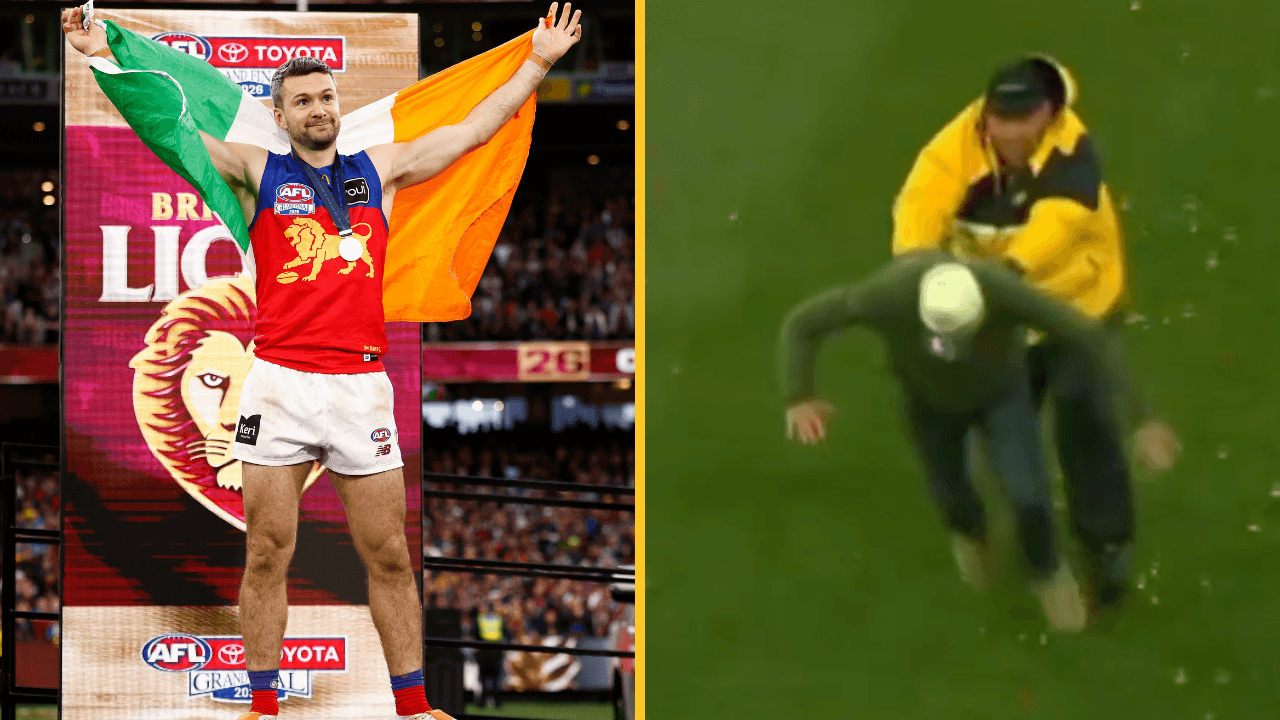
Irish AFL star’s dad tackled by security after pitch invasion
Brilliant scenes! Conor McKenna won another AFL title with the Brisbane Lions yesterday, after they defeated Freemantle, 96-89. It was their third title in a row, and the Tyrone man – who also won an All-Ireland SFC title in 2021 – had a big part to play, scoring a well-taken goal when his team were […]
GAA
3 weeks ago
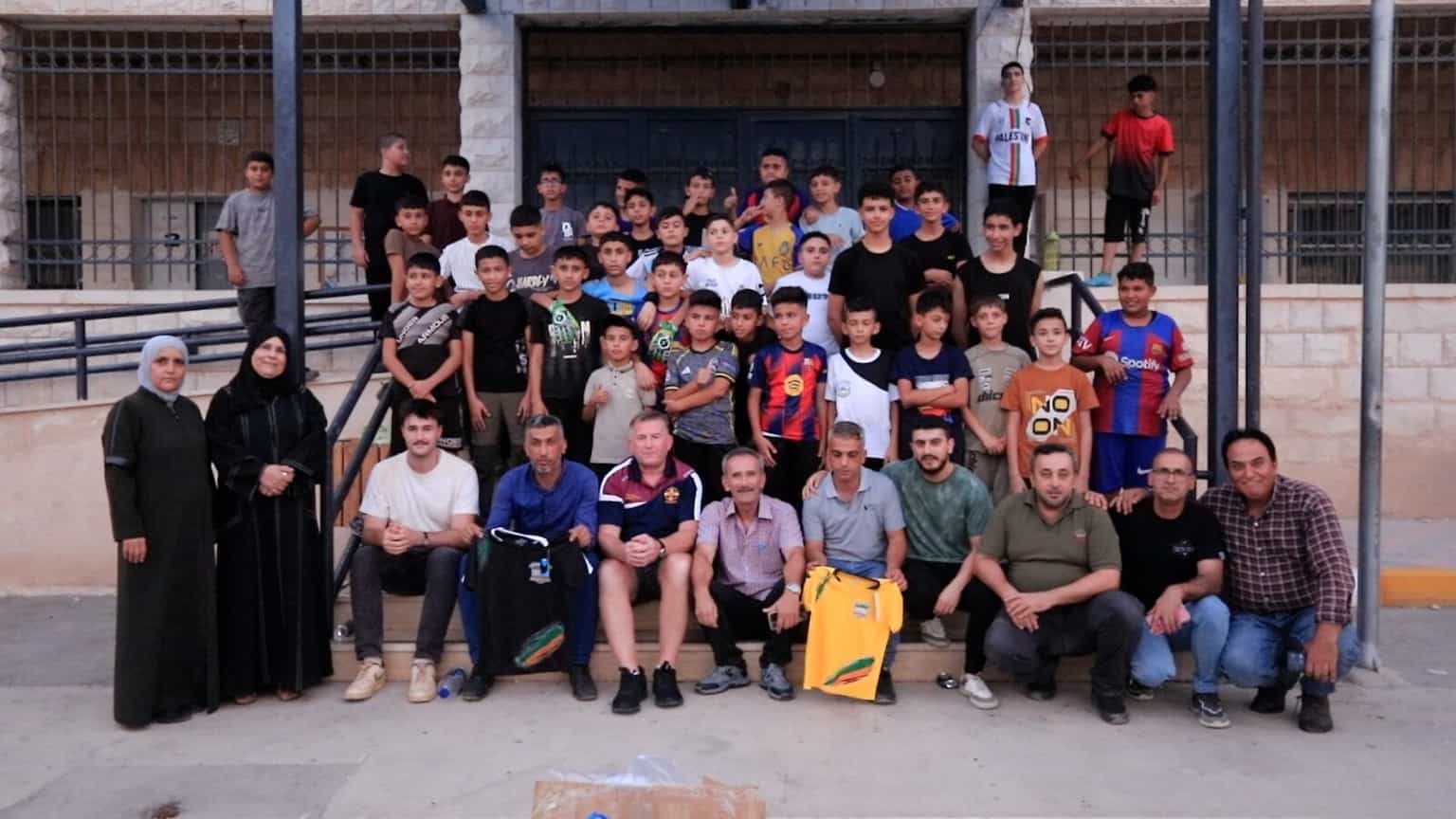
Inside the Palestinian town where children are finding an escape through GAA
Gaelic Football in Qabatiya: Notes from a Protective Presence Volunteer by Matthew Mulcahey Located just six kilometres southwest of the historic city of Jenin, stands Qabatiya, a modesttown of approximately 30,000 people. According to the Oslo Accords, this town lies under Palestinian control, not Israeli. Despite this, the town has faced constant harassment and attacks […]
GAA
1 month ago
When we can expect Kobe McDonald back playing GAA in Mayo
GAA