




GAA

Share
Published 14:22 4 May 2017 BST
Explore more on these topics:
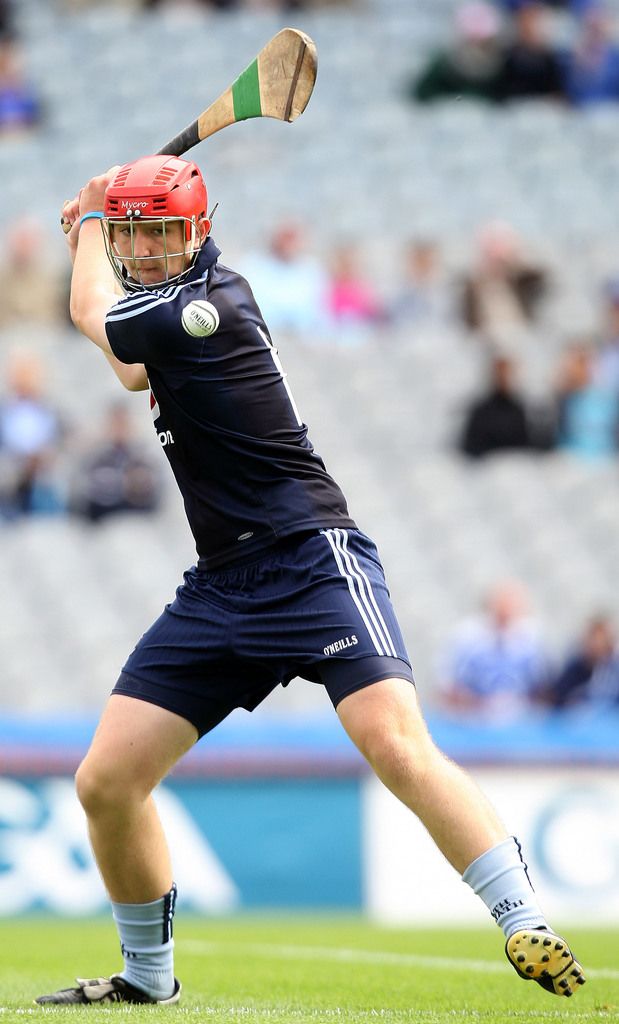 “I wasn’t the kid going to teenage discos with the lads or hanging out on a street corner.” says Cormac.
“I was literally out the back garden hitting a ball against a wall and I didn’t exactly leave them surroundings a huge amount.
“When you’re six or seven, you’re out your back garden pucking about in your little field of dreams, you want to play for your county.
“When I got to about 13 or 14 I was always a little bit more realistic about things. I’d be like, 'I’d love to play for the Dublin Minors one day because I’d seen Sean play and I would have loved to do that'.”
Like all GAA players he moved on from his defeat to Galway to the semi-final with his club and, after being shipped off to Tallaght Hospital during that fateful match, he was sent home with doctors thinking it was “just a bit of a dose” that caused him to collapse on the pitch.
“They did all their tests and said, ‘No, you’re grand’ and I didn’t really think a huge amount more of it.
“I had been sick that week so that is what it was put down to, even in the hospital they did their tests and they said, ‘No, your head is fine, your heart is fine, you were sick. You probably just shouldn’t have played’.”
Cormac got through the rest of the year without any major problems having not suffered any of the same symptoms as he had when playing the county semi-final. That was until he resumed training in January 2012.
“We did a fitness test in early January, and the same thing happened. I felt really dizzy, I was getting breathless and started panicking as my vision started blurring.
“And then it happened again a week later; we were up in Cloughran (Whitehall’s training ground) and I was actually flying along, we were doing sprints and then all of a sudden, the same thing, breathlessness, dizzy spells, feeling like I was going to black out. I couldn’t breathe.”
It was uncharacteristic of Cormac.
His father Gerry knew there was something wrong but assumed it was to do with Cormac’s asthma, so he sent him to a respiratory specialist in nearby Beaumont Hospital.
“I remember the day I actually went up to Beaumont, I remember being asked do I get any chest pains and I said ‘No’ and dad said, ‘You told me before you get chest pains’ and there was a bit of to-ing and fro-ing as to whether it was chest pain or whether my chest just gets tight.
“The specialist then said, ‘I’m going to put the heart monitor on just to be safe’, it was pure chance. I was lucky that dad pushed it because they probably wouldn’t have checked my heart otherwise.”
“I wasn’t the kid going to teenage discos with the lads or hanging out on a street corner.” says Cormac.
“I was literally out the back garden hitting a ball against a wall and I didn’t exactly leave them surroundings a huge amount.
“When you’re six or seven, you’re out your back garden pucking about in your little field of dreams, you want to play for your county.
“When I got to about 13 or 14 I was always a little bit more realistic about things. I’d be like, 'I’d love to play for the Dublin Minors one day because I’d seen Sean play and I would have loved to do that'.”
Like all GAA players he moved on from his defeat to Galway to the semi-final with his club and, after being shipped off to Tallaght Hospital during that fateful match, he was sent home with doctors thinking it was “just a bit of a dose” that caused him to collapse on the pitch.
“They did all their tests and said, ‘No, you’re grand’ and I didn’t really think a huge amount more of it.
“I had been sick that week so that is what it was put down to, even in the hospital they did their tests and they said, ‘No, your head is fine, your heart is fine, you were sick. You probably just shouldn’t have played’.”
Cormac got through the rest of the year without any major problems having not suffered any of the same symptoms as he had when playing the county semi-final. That was until he resumed training in January 2012.
“We did a fitness test in early January, and the same thing happened. I felt really dizzy, I was getting breathless and started panicking as my vision started blurring.
“And then it happened again a week later; we were up in Cloughran (Whitehall’s training ground) and I was actually flying along, we were doing sprints and then all of a sudden, the same thing, breathlessness, dizzy spells, feeling like I was going to black out. I couldn’t breathe.”
It was uncharacteristic of Cormac.
His father Gerry knew there was something wrong but assumed it was to do with Cormac’s asthma, so he sent him to a respiratory specialist in nearby Beaumont Hospital.
“I remember the day I actually went up to Beaumont, I remember being asked do I get any chest pains and I said ‘No’ and dad said, ‘You told me before you get chest pains’ and there was a bit of to-ing and fro-ing as to whether it was chest pain or whether my chest just gets tight.
“The specialist then said, ‘I’m going to put the heart monitor on just to be safe’, it was pure chance. I was lucky that dad pushed it because they probably wouldn’t have checked my heart otherwise.”
“Without realising I was sinking into depression. “I thought at first that after all those things happened I was allowed feel like that, and I didn’t acknowledge that it was making me feel abnormal, I didn’t acknowledge that it was making me feel down.”Cormac’s late nights often consisted of him crying himself to sleep with a massive sense of guilt. A couple of instances really hit home hard with Cormac, one being the death of Round Towers player Ciaran Carr, who passed away at just 20 years of age with the death attributed to Sudden Adult Death Syndrome (SADS). “I remember one night I sat up and I just searched Sudden Adult Death Syndrome and I was just reading newspaper articles of people who died, just torturing myself, it was a really morbid thing to do.
“That’s the stage I was at, sitting up reading articles of other people who had died. I was thinking ‘that should have been me’, you just feel guilty, it was just a lot of fucked thoughts and not particularly liking yourself and the end of it.”One night when staying up late, Cormac thought of an idea. A charity cycle, it was something that would ease the guilt inside Cormac’s head and afterwards he thought everything would go back to normal. “I said ‘I need to do something to make myself feel better, I’m struggling here’, it was to just ease my guilt so if I could do something with this - the fact that I survived - and make something good out of it and help others, great, but to be honest more so I probably did it for myself."
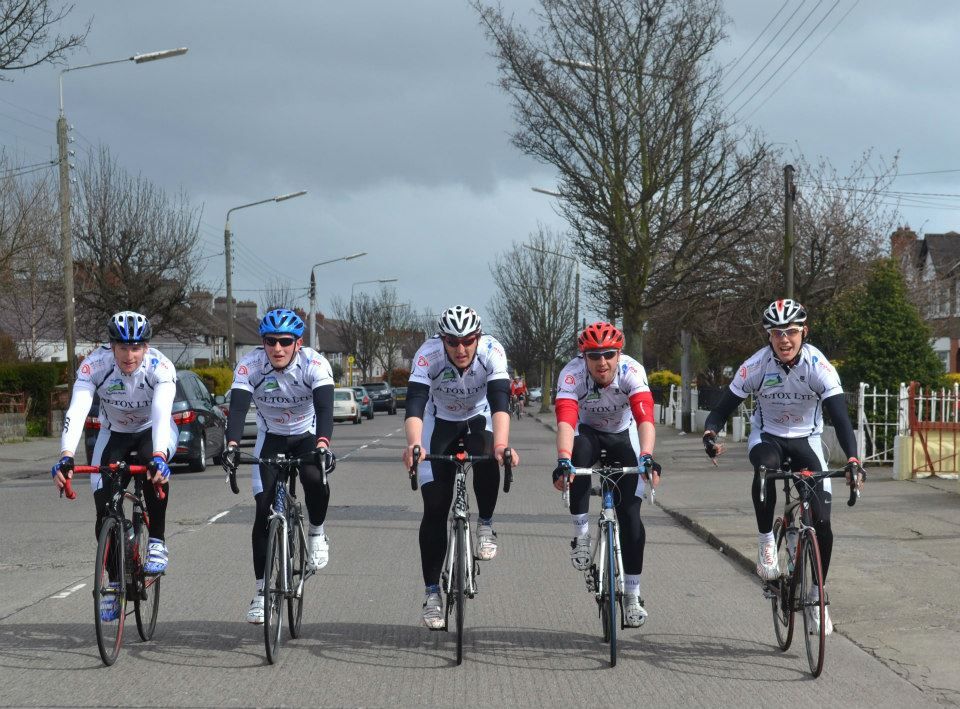 Cormac ended up cycling around the country with his brother and a number of close friends in April 2013.
Interviews on mainstream media outlets such as TV3 were a major contributing factor to the cycle’s success as they raised over €35,000 for a number of heart charities, but Cormac ultimately was unhappy with the cycle, he knew deep down that the cycle wasn't to help the charities he was fundraising for rather to help himself.
“The integrity behind it was flawed.”
Cormac ended up cycling around the country with his brother and a number of close friends in April 2013.
Interviews on mainstream media outlets such as TV3 were a major contributing factor to the cycle’s success as they raised over €35,000 for a number of heart charities, but Cormac ultimately was unhappy with the cycle, he knew deep down that the cycle wasn't to help the charities he was fundraising for rather to help himself.
“The integrity behind it was flawed.”
 But, in a challenge game for the college against Antrim up in Belfast, DCU’s goalkeeper Aaron Lacey went down injured and Cormac was told he would have to play in goal.
“I just had a breakdown, I just panicked. In front of all the lads I was like, ‘No, I can’t, I can’t, I can’t’.”
“I just started getting worked up and tears started coming out of my eyes and the lads were looking at me like, ‘What the fuck is going on here?’”
Sitting at the back of the team bus, Cormac endured a long drive home from Queen’s University with his hood pulled up, and his head in a mess.
It was arranged that he would attend counselling in DCU but he never turned up. It was even arranged at one point that Cormac would work with former world champion boxer Bernard Dunne in an effort to get his head right but, after a single session, that stopped.
“Me playing in goal equalled an anxiety attack or a panic attack and, again, it was completely irrational but that’s what the whole thing had done to me, when it came to that particular thing I had no confidence, no feeling that I could do this.”
The following season Cormac resumed playing with Dublin's Under-21s under new manager Joe Fortune.
He informed Fortune that he wanted to try his hand at playing outfield for his county but after trials he was told that realistically he wouldn’t be making matchday panels for the 2014 squad. However, there was a spot for him as a goalkeeper.
“I rang up Eimear Dignam, who was a selector, who I had known for years. I was just honest with her and I told her that my head isn’t in the right place, me in goals just isn’t a good idea at the moment.”
Cormac thought that was the end of it, as far as he was concerned he was finished with Dublin. That was until he received a phone call from manager Joe Fortune when in college one day.
“I was honest with him, I said, ‘look it’s just not for me this year’ and he kind of pushed me a little bit more and started digging a little bit. Eimear probably told him what I said about what was going on in the head.
“He asked me was there anything more going on and I opened up to him and told him I was terrified of playing in goal and I didn’t have the confidence for it.
“For whatever reason, he took a shining to me, probably because I was honest with him and I told him that genuinely playing in goal I get fucking anxiety attacks, I’d be panicking and I’d have no confidence.”
For Joe, it wasn’t about hurling anymore. He told Cormac that he would get him back to the player he was and get him the help he needed along the way.
“I was welling up as I was chatting to him, I don’t know whether he realised that. I was borderline about the breakdown, the whole thing had built up in my head and such an emotional rollercoaster.
“He told me you need to do this for yourself, not for Dublin hurling or not for your team, you need to do this for yourself… he somehow convinced me.”
Over time, Cormac and Joe worked together to helped build Cormac’s confidence back up. It started with brief spells in goal and eventually full matches.
But, in a challenge game for the college against Antrim up in Belfast, DCU’s goalkeeper Aaron Lacey went down injured and Cormac was told he would have to play in goal.
“I just had a breakdown, I just panicked. In front of all the lads I was like, ‘No, I can’t, I can’t, I can’t’.”
“I just started getting worked up and tears started coming out of my eyes and the lads were looking at me like, ‘What the fuck is going on here?’”
Sitting at the back of the team bus, Cormac endured a long drive home from Queen’s University with his hood pulled up, and his head in a mess.
It was arranged that he would attend counselling in DCU but he never turned up. It was even arranged at one point that Cormac would work with former world champion boxer Bernard Dunne in an effort to get his head right but, after a single session, that stopped.
“Me playing in goal equalled an anxiety attack or a panic attack and, again, it was completely irrational but that’s what the whole thing had done to me, when it came to that particular thing I had no confidence, no feeling that I could do this.”
The following season Cormac resumed playing with Dublin's Under-21s under new manager Joe Fortune.
He informed Fortune that he wanted to try his hand at playing outfield for his county but after trials he was told that realistically he wouldn’t be making matchday panels for the 2014 squad. However, there was a spot for him as a goalkeeper.
“I rang up Eimear Dignam, who was a selector, who I had known for years. I was just honest with her and I told her that my head isn’t in the right place, me in goals just isn’t a good idea at the moment.”
Cormac thought that was the end of it, as far as he was concerned he was finished with Dublin. That was until he received a phone call from manager Joe Fortune when in college one day.
“I was honest with him, I said, ‘look it’s just not for me this year’ and he kind of pushed me a little bit more and started digging a little bit. Eimear probably told him what I said about what was going on in the head.
“He asked me was there anything more going on and I opened up to him and told him I was terrified of playing in goal and I didn’t have the confidence for it.
“For whatever reason, he took a shining to me, probably because I was honest with him and I told him that genuinely playing in goal I get fucking anxiety attacks, I’d be panicking and I’d have no confidence.”
For Joe, it wasn’t about hurling anymore. He told Cormac that he would get him back to the player he was and get him the help he needed along the way.
“I was welling up as I was chatting to him, I don’t know whether he realised that. I was borderline about the breakdown, the whole thing had built up in my head and such an emotional rollercoaster.
“He told me you need to do this for yourself, not for Dublin hurling or not for your team, you need to do this for yourself… he somehow convinced me.”
Over time, Cormac and Joe worked together to helped build Cormac’s confidence back up. It started with brief spells in goal and eventually full matches.
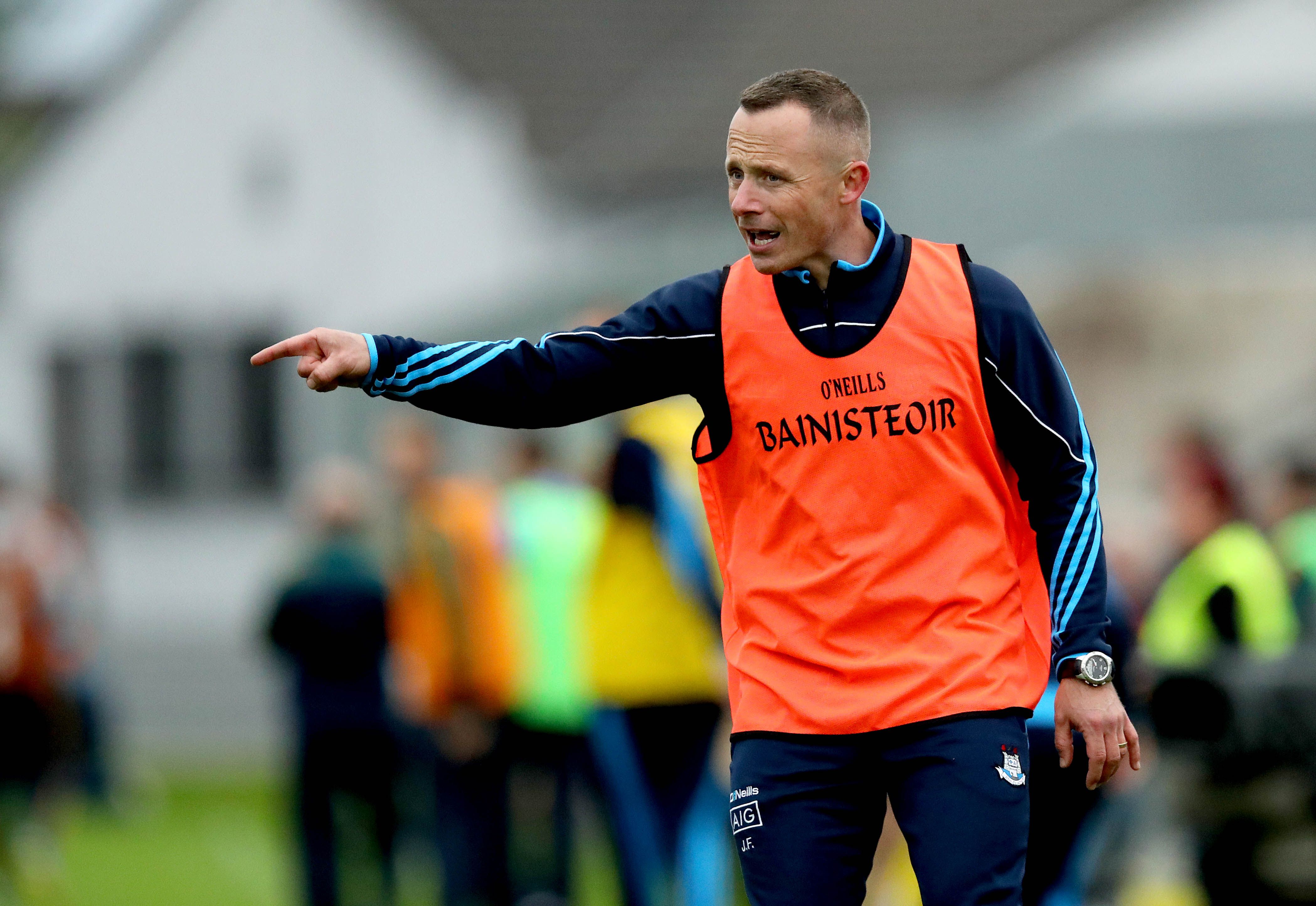 “No other county manager would be like that, he’s just a breath of fresh air. I’ve never met a manager at any level like him who is as genuinely interested in his players.
“They’re not just hurlers to him they are actual people and the health and wellbeing of his 30-man panel mean more to him than any victory.
“He slowly built me back up, I don’t know how he did it but he did it, he slowly reinstilled a bit of confidence and self-belief in me.”
This was a major turning point for Cormac; he had something in his life to give him some level of self-confidence back.
His confidence on the pitch carried through to his normal life as he began to get back to his old self again.
“No other county manager would be like that, he’s just a breath of fresh air. I’ve never met a manager at any level like him who is as genuinely interested in his players.
“They’re not just hurlers to him they are actual people and the health and wellbeing of his 30-man panel mean more to him than any victory.
“He slowly built me back up, I don’t know how he did it but he did it, he slowly reinstilled a bit of confidence and self-belief in me.”
This was a major turning point for Cormac; he had something in his life to give him some level of self-confidence back.
His confidence on the pitch carried through to his normal life as he began to get back to his old self again.
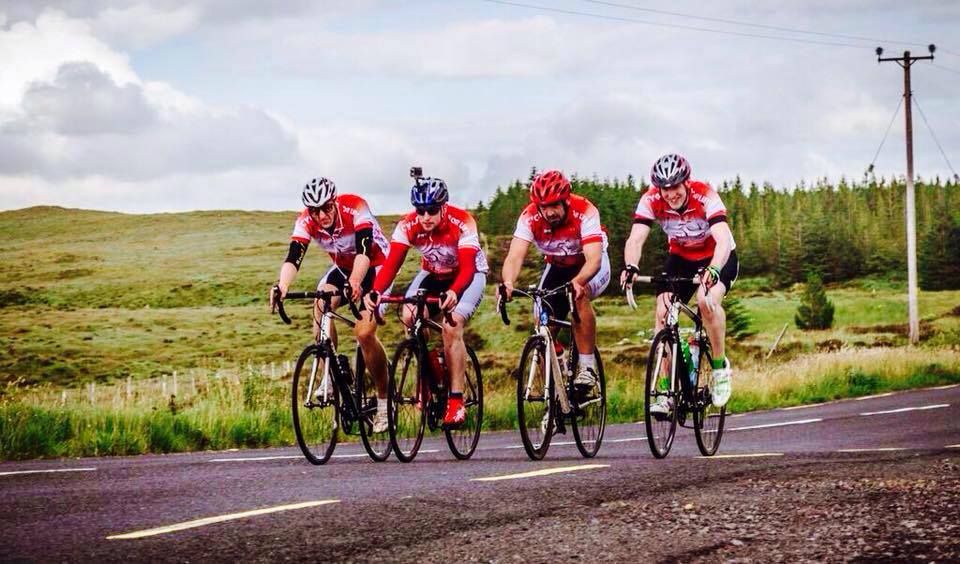 “As the cycle came around I was in a really good place, that whole 2015 went really well and I was really starting to get back as my genuine self.
“It was a really nice feeling because you knew you did it for the right reasons and I was just content with myself, probably a lot more proud of myself the second time than the first time because the first time it all just felt like a bit of a lie.”
“The second cycle is everything I wanted the first cycle to be in terms of why we were doing it and the real meaning behind it all.”
All in all, between the two cycles Cormac and his family and friends raised over €50,000 for their respective charities as well as raising awareness for mental health among his peers.
Since then, Cormac has become a mental health advocate of sorts, visiting different schools to share his story.
“As the cycle came around I was in a really good place, that whole 2015 went really well and I was really starting to get back as my genuine self.
“It was a really nice feeling because you knew you did it for the right reasons and I was just content with myself, probably a lot more proud of myself the second time than the first time because the first time it all just felt like a bit of a lie.”
“The second cycle is everything I wanted the first cycle to be in terms of why we were doing it and the real meaning behind it all.”
All in all, between the two cycles Cormac and his family and friends raised over €50,000 for their respective charities as well as raising awareness for mental health among his peers.
Since then, Cormac has become a mental health advocate of sorts, visiting different schools to share his story.
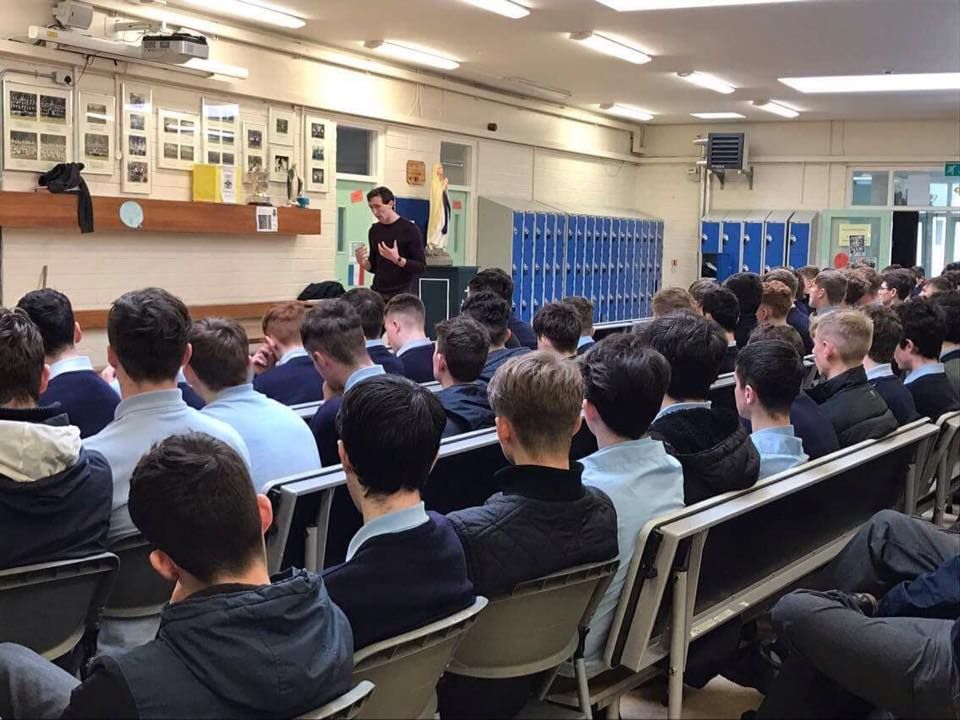 “I don’t think anybody really wants to hide their mental health issues, I think they are secretly crying out for someone to take an interest in them and really ask them ‘How are you actually?’”
It has been a long journey for Cormac to get to this point, a journey which has brought him to the highest of highs but also the lowest of lows and through it all he has taken away a lot of learning experiences. But what would he say to the 19-year-old Cormac that is lying in bed at three in the morning crying his eyes out?
“I’d probably tell him not to be so hard on himself, it’s one thing that I always say now in every talk I do.
“As humans, in every aspect, we are ridiculously hard on ourselves. It’s human nature to be tough on yourself; you beat yourself up more than anyone.
“We nail ourselves for every little mistake we make or we nail ourselves for everything we don’t do rather than looking at the things we are doing right.
"Does it bother me that I'm not playing in goal for Dublin seniors? No. I don't enjoy it enough and it probably is not worth the potential toll it could have on my happiness. If the opportunity came knocking would I say yes? Probably not.
“I could be looking at myself and say that I let mental health problems stop me getting the chance to ever play for the Dublin Seniors or that I took five years to do my undergrad when I should’ve taken four.
“But you can also look at it the other way, I overcame this problem. I bounced back really well, I’ve raised money for charity and I’m doing a Masters in Physiotherapy.
“I genuinely think the people who are happiest in this world are the people who take it a bit easier on themselves; they’re the people who appreciate themselves and appreciate the stuff they’re doing right in the world rather than the stuff they are doing wrong.”
“I don’t think anybody really wants to hide their mental health issues, I think they are secretly crying out for someone to take an interest in them and really ask them ‘How are you actually?’”
It has been a long journey for Cormac to get to this point, a journey which has brought him to the highest of highs but also the lowest of lows and through it all he has taken away a lot of learning experiences. But what would he say to the 19-year-old Cormac that is lying in bed at three in the morning crying his eyes out?
“I’d probably tell him not to be so hard on himself, it’s one thing that I always say now in every talk I do.
“As humans, in every aspect, we are ridiculously hard on ourselves. It’s human nature to be tough on yourself; you beat yourself up more than anyone.
“We nail ourselves for every little mistake we make or we nail ourselves for everything we don’t do rather than looking at the things we are doing right.
"Does it bother me that I'm not playing in goal for Dublin seniors? No. I don't enjoy it enough and it probably is not worth the potential toll it could have on my happiness. If the opportunity came knocking would I say yes? Probably not.
“I could be looking at myself and say that I let mental health problems stop me getting the chance to ever play for the Dublin Seniors or that I took five years to do my undergrad when I should’ve taken four.
“But you can also look at it the other way, I overcame this problem. I bounced back really well, I’ve raised money for charity and I’m doing a Masters in Physiotherapy.
“I genuinely think the people who are happiest in this world are the people who take it a bit easier on themselves; they’re the people who appreciate themselves and appreciate the stuff they’re doing right in the world rather than the stuff they are doing wrong.”
GAA
GAA
GAA
GAA
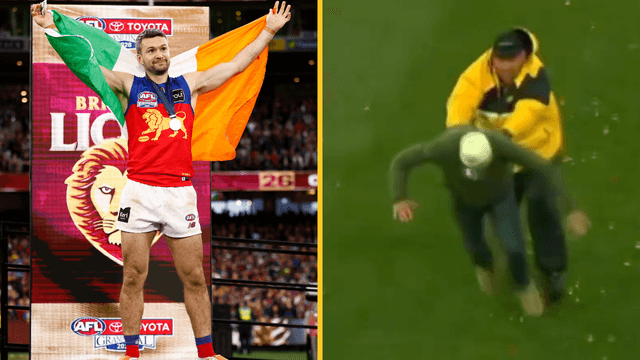
Irish AFL star’s dad tackled by security after pitch invasion
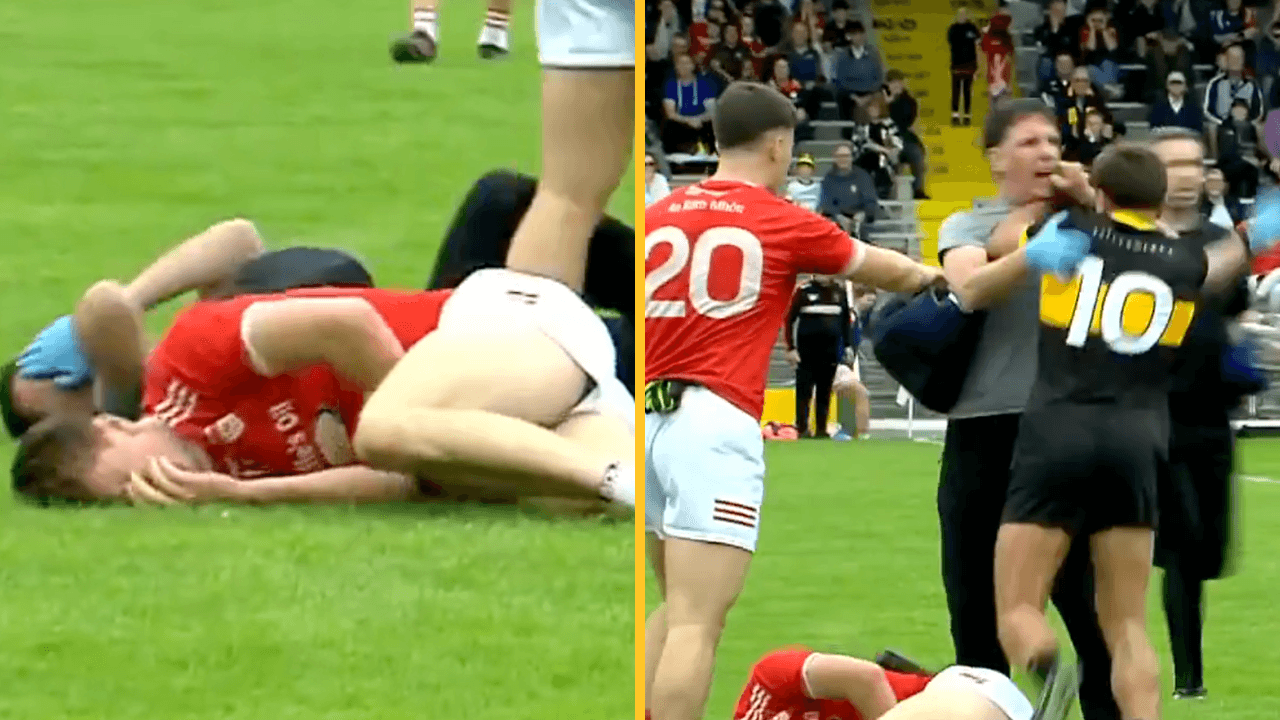
Brilliant scenes! Conor McKenna won another AFL title with the Brisbane Lions yesterday, after they defeated Freemantle, 96-89. It was their third title in a row, and the Tyrone man – who also won an All-Ireland SFC title in 2021 – had a big part to play, scoring a well-taken goal when his team were […]
GAA
3 weeks ago
Inside the Palestinian town where children are finding an escape through GAA
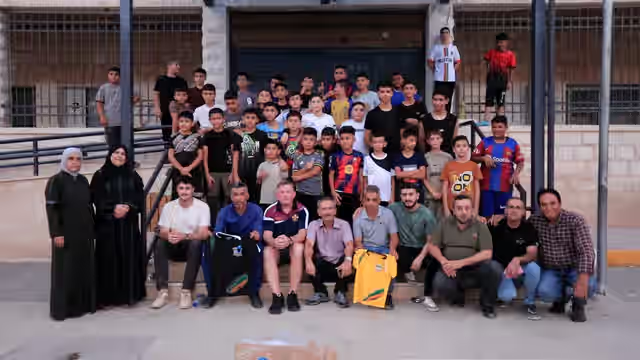
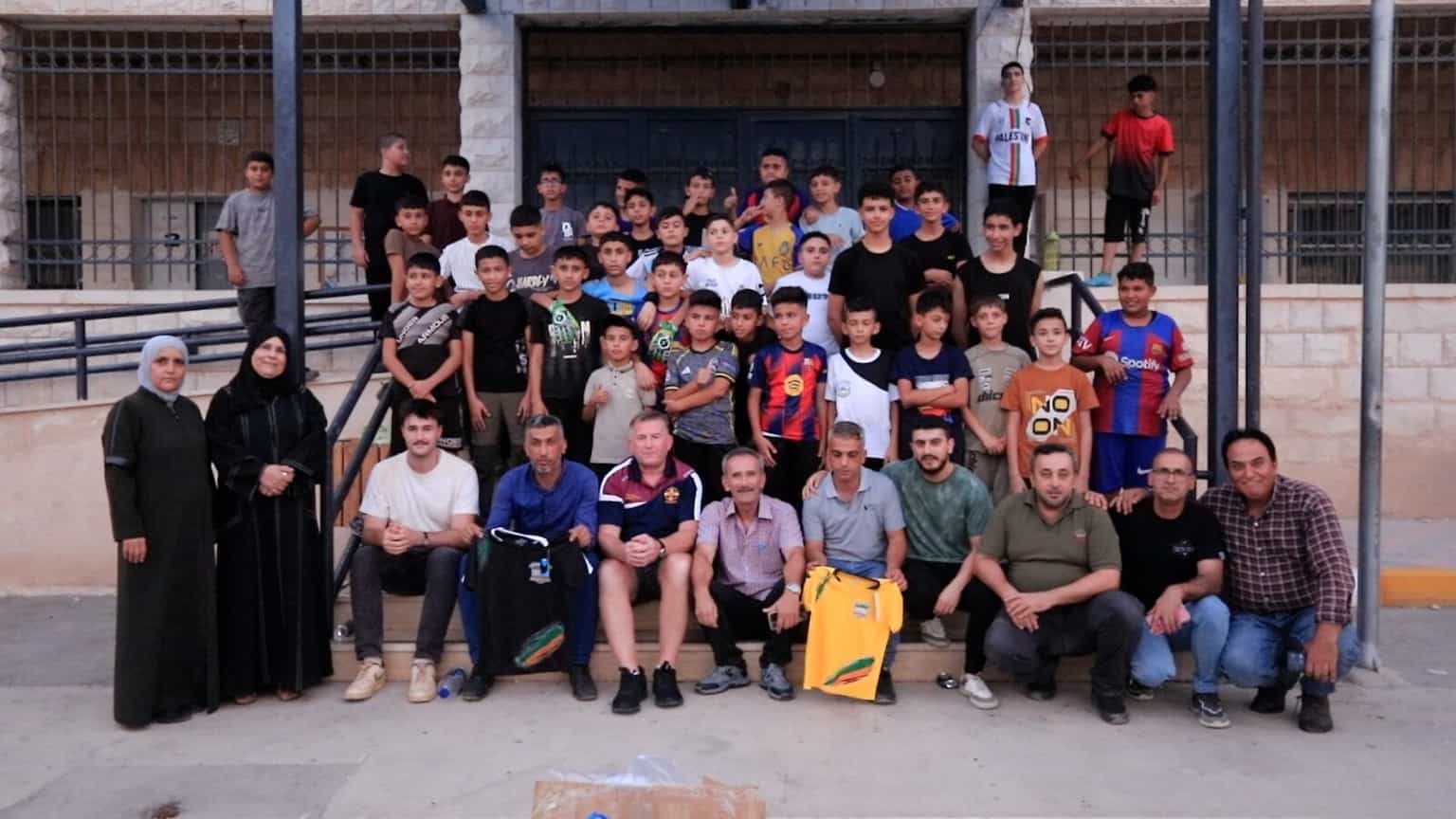
Gaelic Football in Qabatiya: Notes from a Protective Presence Volunteer by Matthew Mulcahey Located just six kilometres southwest of the historic city of Jenin, stands Qabatiya, a modesttown of approximately 30,000 people. According to the Oslo Accords, this town lies under Palestinian control, not Israeli. Despite this, the town has faced constant harassment and attacks […]
GAA
1 month ago
When we can expect Kobe McDonald back playing GAA in Mayo
GAA