



Football

Share
Published 09:13 17 Dec 2017 GMT
Explore more on these topics:
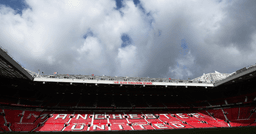
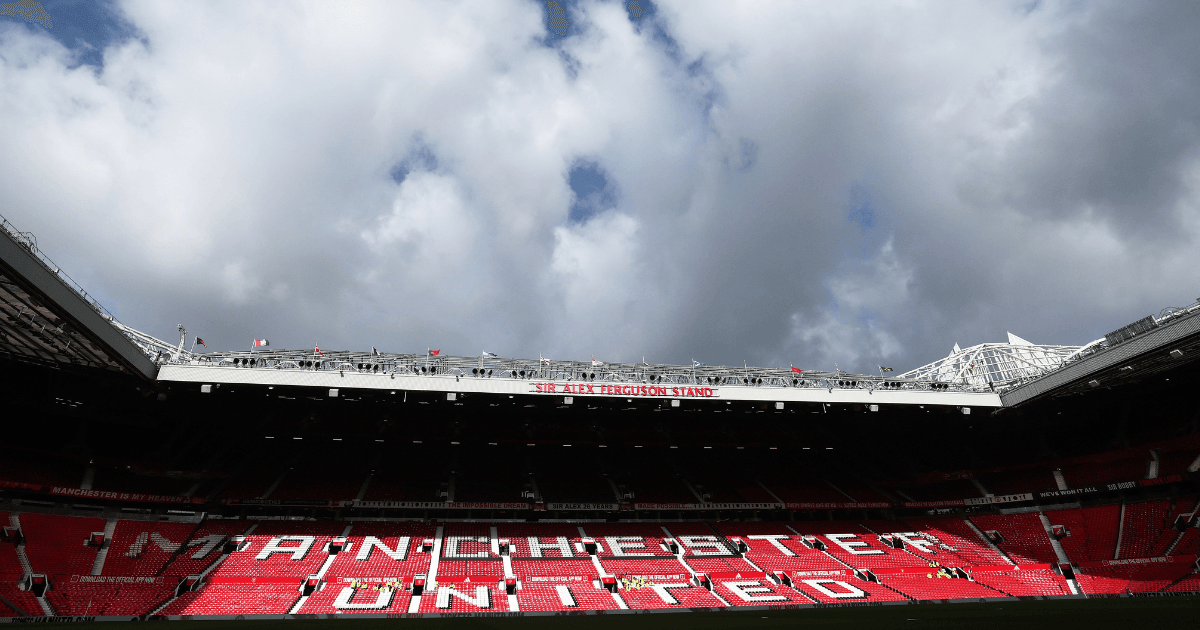
 Zaha's brilliant form will inevitably see him linked with a transfer to a top six team. However, the Ivorian has already played for a team at the top of the table. He was Sir Alex Ferguson's final signing for Manchester United in January 2013, but by the time he joined the club, the Scot had retired and had been succeeded by David Moyes.
The 2013/14 season was a disaster for United and Moyes, and didn't go particularly well for Zaha either. The winger ended the season on-loan at relegated Cardiff City, after making just four appearances for the Red Devils. Moyes didn't appear to think he was ready for the United first-team and either did Louis van Gaal. The Dutchman allowed him to return to Palace in 2014 on-loan, before he made the move permanent the following January.
Zaha's brilliant form will inevitably see him linked with a transfer to a top six team. However, the Ivorian has already played for a team at the top of the table. He was Sir Alex Ferguson's final signing for Manchester United in January 2013, but by the time he joined the club, the Scot had retired and had been succeeded by David Moyes.
The 2013/14 season was a disaster for United and Moyes, and didn't go particularly well for Zaha either. The winger ended the season on-loan at relegated Cardiff City, after making just four appearances for the Red Devils. Moyes didn't appear to think he was ready for the United first-team and either did Louis van Gaal. The Dutchman allowed him to return to Palace in 2014 on-loan, before he made the move permanent the following January.
 Rio Ferdinand, who was Zaha's teammate at Old Trafford, has offered an explanation for why the player failed to succeed at United. According to the former England defender, the player's talent was obvious, but the move came too soon for him. He does, however, think Zaha is now much better prepared to play for a team challenging for trophies.
"I think with a lot of transfer comes timing. That determines whether it is a go or a failure," Ferdinand said on BT Sport.
Rio Ferdinand, who was Zaha's teammate at Old Trafford, has offered an explanation for why the player failed to succeed at United. According to the former England defender, the player's talent was obvious, but the move came too soon for him. He does, however, think Zaha is now much better prepared to play for a team challenging for trophies.
"I think with a lot of transfer comes timing. That determines whether it is a go or a failure," Ferdinand said on BT Sport.
"I think he was young, inexperienced, needed time to mature and I don't think he was probably given enough opportunities. David Moyes was under a lot of pressure at the time and he didn't see him as one of his go-to guys, so timing was a key factor. I think if he had his time again he'd maybe do a few things differently, but what I will say is as far as raw ability goes, he'd be up there. This kid, if you said to him I want you to play against a full-back, stand him up and beat him one-v-one, he'd be one of my first picks in the league. Because he has that ability, he can move anybody."
 Rio also said that he was one of the Zaha's most vocal critics at the club, because he recognised his potential and felt he needed to be pushed.
"I was probably on the training pitch always shouting at him and demanding of him," Ferdinand said.
Rio also said that he was one of the Zaha's most vocal critics at the club, because he recognised his potential and felt he needed to be pushed.
"I was probably on the training pitch always shouting at him and demanding of him," Ferdinand said.
"I was trying to spark something inside of him and help realise his potential. I always say to young players, 'if I'm not shouting at you and pulling you up in training, that means I don't think you've got a chance, I don't care about you, you're not going to help my team win something'. But I saw huge potential in Wilf."
Football
Football
Football
Football
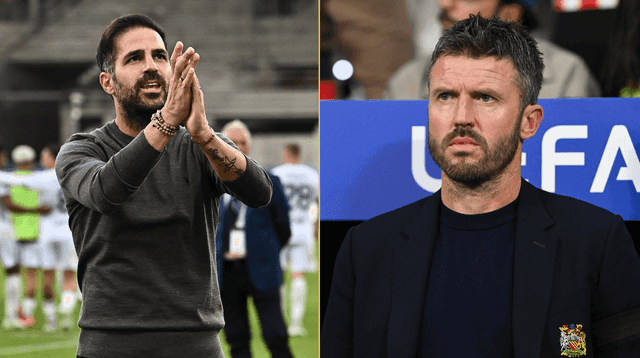
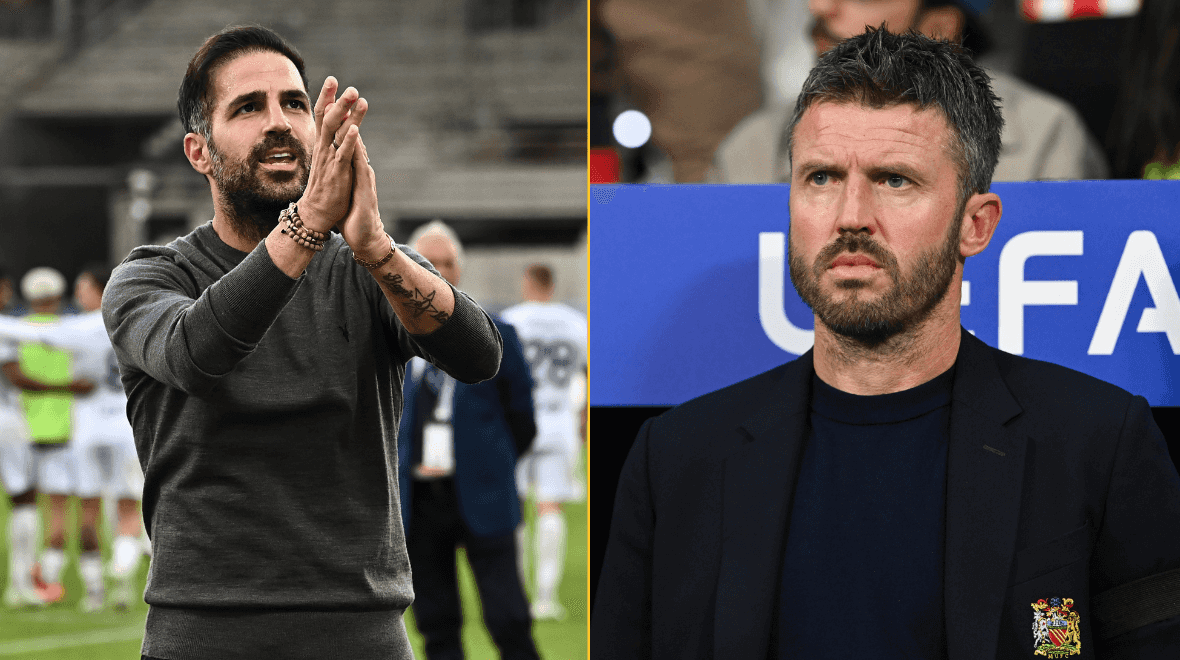
LIVE: Champions League GW3 as Man United, Arsenal, and Liverpool all face huge European tests
Every viral moment from Arsenal vs Bayern, Liverpool vs Villarreal, Man Utd vs Como and more! Just days on from the end of the last round of Premier League fixtures, the UEFA Champions League is back for another round of League Phase match-ups. This round could be set to be the most explosive so far, […]
Football
4 days ago
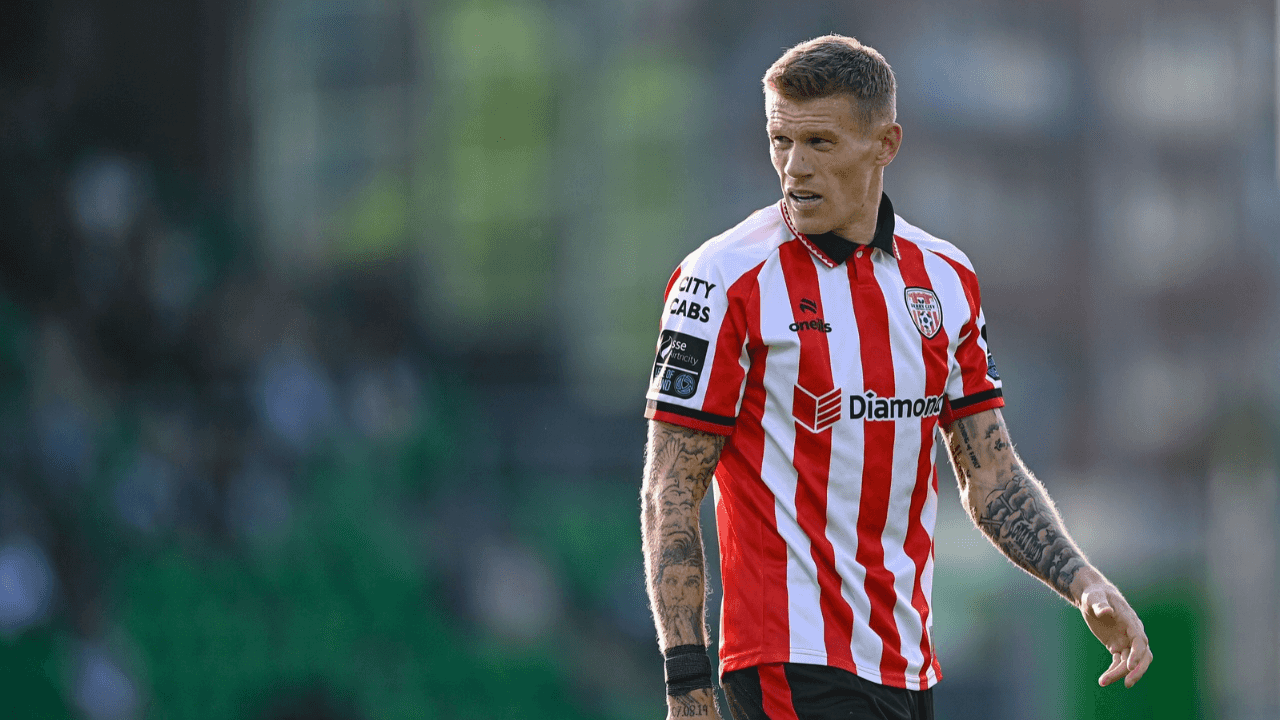
James McClean rightly slammed for comments on men’s therapy
Not his finest moment. Former Ireland international James McClean has come under fire for recents comments made during an interview with journalist Paul Kimmage. Although never shy of courting controversy, McClean’s actions did little to affect his Ireland career, with the Derry man retiring after 103 caps. However, his second spell at Derry, following his […]
Football
6 days ago
Football