



Football

Share
Published 14:22 10 Dec 2018 GMT
Explore more on these topics:
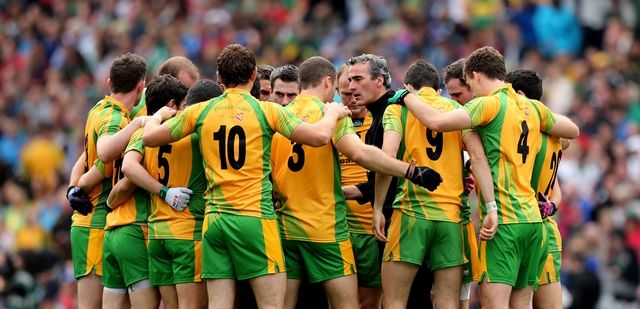
 "When we were with Donegal, very few people wanted to leave the group. Very few people retired because they were pushing hard and the harder we pushed, the fitter they got, the tougher the defenders are, the harder it is for the forwards to break it down,the better they become.
"These are all the things, that are important to me, anyway. That's what I'll be focusing on."
McGuinness' transition from Gaelic Football into the world of professional football was sparked by a chat with Irish golfer Paul McGinley. McGuinness is quite close with McGinley's father Mick who had reached out to the Glenties native to see if he would speak with Paul about coaching as the younger McGinley had harbored ambitions to captain Team Europe in the Ryder Cup, which he eventually did in 2014.
McGinley was impressed with McGuinness and recommended him to billionaire businessman Dermot Desmond, who invited the then Donegal manager over to a few Celtic Champions League games. One thing led to the next and eventually Celtic Chief Executive Peter Lawwell pulled McGuinness aside one night at Celtic Park and asked him would he be interested in joining the club.
"When we were with Donegal, very few people wanted to leave the group. Very few people retired because they were pushing hard and the harder we pushed, the fitter they got, the tougher the defenders are, the harder it is for the forwards to break it down,the better they become.
"These are all the things, that are important to me, anyway. That's what I'll be focusing on."
McGuinness' transition from Gaelic Football into the world of professional football was sparked by a chat with Irish golfer Paul McGinley. McGuinness is quite close with McGinley's father Mick who had reached out to the Glenties native to see if he would speak with Paul about coaching as the younger McGinley had harbored ambitions to captain Team Europe in the Ryder Cup, which he eventually did in 2014.
McGinley was impressed with McGuinness and recommended him to billionaire businessman Dermot Desmond, who invited the then Donegal manager over to a few Celtic Champions League games. One thing led to the next and eventually Celtic Chief Executive Peter Lawwell pulled McGuinness aside one night at Celtic Park and asked him would he be interested in joining the club.
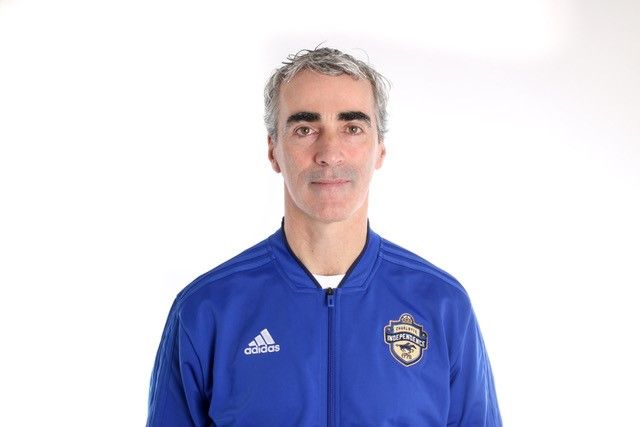 McGuinness originally joined as a performance consultant but later took over as a youth coach before moving to China to manage as an assistant under Roger Schmidt.
He resigned from the role in January of this year citing family and personal reasons but Charlotte is now an avenue for him back into the game and in his own words it's now time for him to 'stand on his own two feet' in professional football after learning from three different schools; Celtic, Beijing Sinobo Guoan and Donegal GAA.
"It is important," McGuinness replied when asked about how much value he placed on the style of play he would look to implement at Charlotte.
"It was the same with Donegal - you've got to be good on the ball, you've got to be good using the ball. That is Celtic to a tee, their capacity to play really good quality possession football. I would characterise it, to answer your question, this capacity to play the game and to force the game. In China we forced the game really aggressively.
"I think it's the emerging of both those aspects in terms of soccer and then everything I brought from home in terms of intensity and pressing and overwhelming the opposition and playing the game on the transition.
"You've got playing the game, forcing the game and forcing the game in certain areas of the field where maybe it's not as high risk, and creating as many chances as possible with the protection that you know everybody has bought into the system and thus you can actually do that.
"If I was to describe it in a few sentences I would say the capacity to play the game through the thirds but also always looking to be aggressive and dynamic and direct as part of that.
McGuinness originally joined as a performance consultant but later took over as a youth coach before moving to China to manage as an assistant under Roger Schmidt.
He resigned from the role in January of this year citing family and personal reasons but Charlotte is now an avenue for him back into the game and in his own words it's now time for him to 'stand on his own two feet' in professional football after learning from three different schools; Celtic, Beijing Sinobo Guoan and Donegal GAA.
"It is important," McGuinness replied when asked about how much value he placed on the style of play he would look to implement at Charlotte.
"It was the same with Donegal - you've got to be good on the ball, you've got to be good using the ball. That is Celtic to a tee, their capacity to play really good quality possession football. I would characterise it, to answer your question, this capacity to play the game and to force the game. In China we forced the game really aggressively.
"I think it's the emerging of both those aspects in terms of soccer and then everything I brought from home in terms of intensity and pressing and overwhelming the opposition and playing the game on the transition.
"You've got playing the game, forcing the game and forcing the game in certain areas of the field where maybe it's not as high risk, and creating as many chances as possible with the protection that you know everybody has bought into the system and thus you can actually do that.
"If I was to describe it in a few sentences I would say the capacity to play the game through the thirds but also always looking to be aggressive and dynamic and direct as part of that.
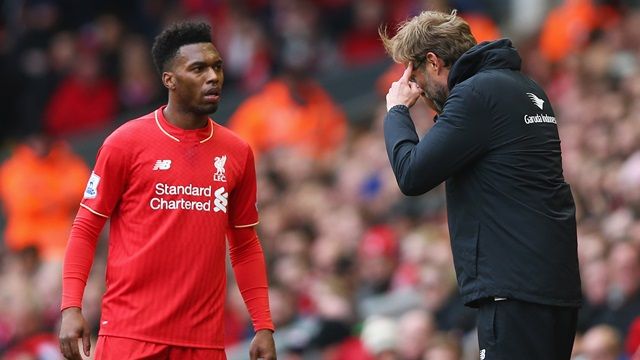 "I think to an extent, Liverpool play that type of game. They can play ball, there's no doubt about that. They can build the play and play it through the thirds. But you'd have to say they're very dynamic and they like to play in the transition and in behind.
"They've got pace, they're not afraid to play a vertical pass. Everybody will have their own take on it. [Maurizio] Sarri has come into Chelsea and has created a twist on the possession type of football.
"I think you'll take experiences and influences from everywhere but ultimately you have to work out what's best for you and then also what's best for the players you have at your disposal. I think that's important as well and that's where recruitment comes in and the type of players we want to bring in.
"Hopefully they will fit the system and the type of athlete we want to bring in. It's one thing saying, 'This is what we want to do' but it's another thing if they can or cannot do it. So it's unfair to employ a system when your players haven't got the capacity.
"With Donegal we had to build that capacity through the training. So hopefully with the transfer market you can get players in that have those attributes at their disposal right now."
McGuinness said that it was the challenge that football provided that kept his interests in the 11-a-side sport but he insists that if the opportunity to join Celtic had never presented itself, he would have been contented in staying on with Donegal and continuing to coach the county's senior footballers.
"I think to an extent, Liverpool play that type of game. They can play ball, there's no doubt about that. They can build the play and play it through the thirds. But you'd have to say they're very dynamic and they like to play in the transition and in behind.
"They've got pace, they're not afraid to play a vertical pass. Everybody will have their own take on it. [Maurizio] Sarri has come into Chelsea and has created a twist on the possession type of football.
"I think you'll take experiences and influences from everywhere but ultimately you have to work out what's best for you and then also what's best for the players you have at your disposal. I think that's important as well and that's where recruitment comes in and the type of players we want to bring in.
"Hopefully they will fit the system and the type of athlete we want to bring in. It's one thing saying, 'This is what we want to do' but it's another thing if they can or cannot do it. So it's unfair to employ a system when your players haven't got the capacity.
"With Donegal we had to build that capacity through the training. So hopefully with the transfer market you can get players in that have those attributes at their disposal right now."
McGuinness said that it was the challenge that football provided that kept his interests in the 11-a-side sport but he insists that if the opportunity to join Celtic had never presented itself, he would have been contented in staying on with Donegal and continuing to coach the county's senior footballers.
 "I think I would be as happy as Larry still managing Donegal had this not, had this challenge and opportunity not been presented, and as I said earlier, you’re in one environment and you are plucked from obscurity and transported into another world, another culture," he concluded.
"So, yeah, but I mean six years is a short period of time when you are involved in something like this, but it’s a long stretch as well in terms of the experiences that I’ve had and I think I’m out the other side of it now and I’m ready to stand on my own two feet now and move forward. I have a good coaching staff around me and playing staff around me and that’ll be it."
That'll be it for now but in many ways McGuinness' journey has only just begun.
In other respects it's seemingly a never ending book, with Charlotte just another chapter in a rather remarkable tale.
"I think I would be as happy as Larry still managing Donegal had this not, had this challenge and opportunity not been presented, and as I said earlier, you’re in one environment and you are plucked from obscurity and transported into another world, another culture," he concluded.
"So, yeah, but I mean six years is a short period of time when you are involved in something like this, but it’s a long stretch as well in terms of the experiences that I’ve had and I think I’m out the other side of it now and I’m ready to stand on my own two feet now and move forward. I have a good coaching staff around me and playing staff around me and that’ll be it."
That'll be it for now but in many ways McGuinness' journey has only just begun.
In other respects it's seemingly a never ending book, with Charlotte just another chapter in a rather remarkable tale.
Football
Football
Football
Football
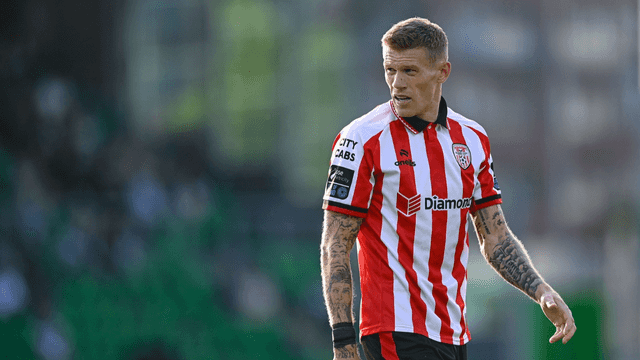
James McClean rightly slammed for comments on men’s therapy
Not his finest moment. Former Ireland international James McClean has come under fire for recents comments made during an interview with journalist Paul Kimmage. Although never shy of courting controversy, McClean’s actions did little to affect his Ireland career, with the Derry man retiring after 103 caps. However, his second spell at Derry, following his […]
Football
3 days ago
The Premier League GW7: Follow all of the viral moments in our live hub
Football returns at the Hill Dickinson Stadium! Everton host Chelsea in the early kick off as the Premier League returns, with David Moyes’ Toffees aiming to remain unbeaten. At 3pm, Brentford host Liverpool, whilst Hull City travel to Fulham. Elsewhere in the North West, Man City host the recently promoted Ipswich Town, who have enjoyed […]
Football
4 days ago
Football
Ireland players apologise to teammate Bazunu after behaviour towards him
Football